
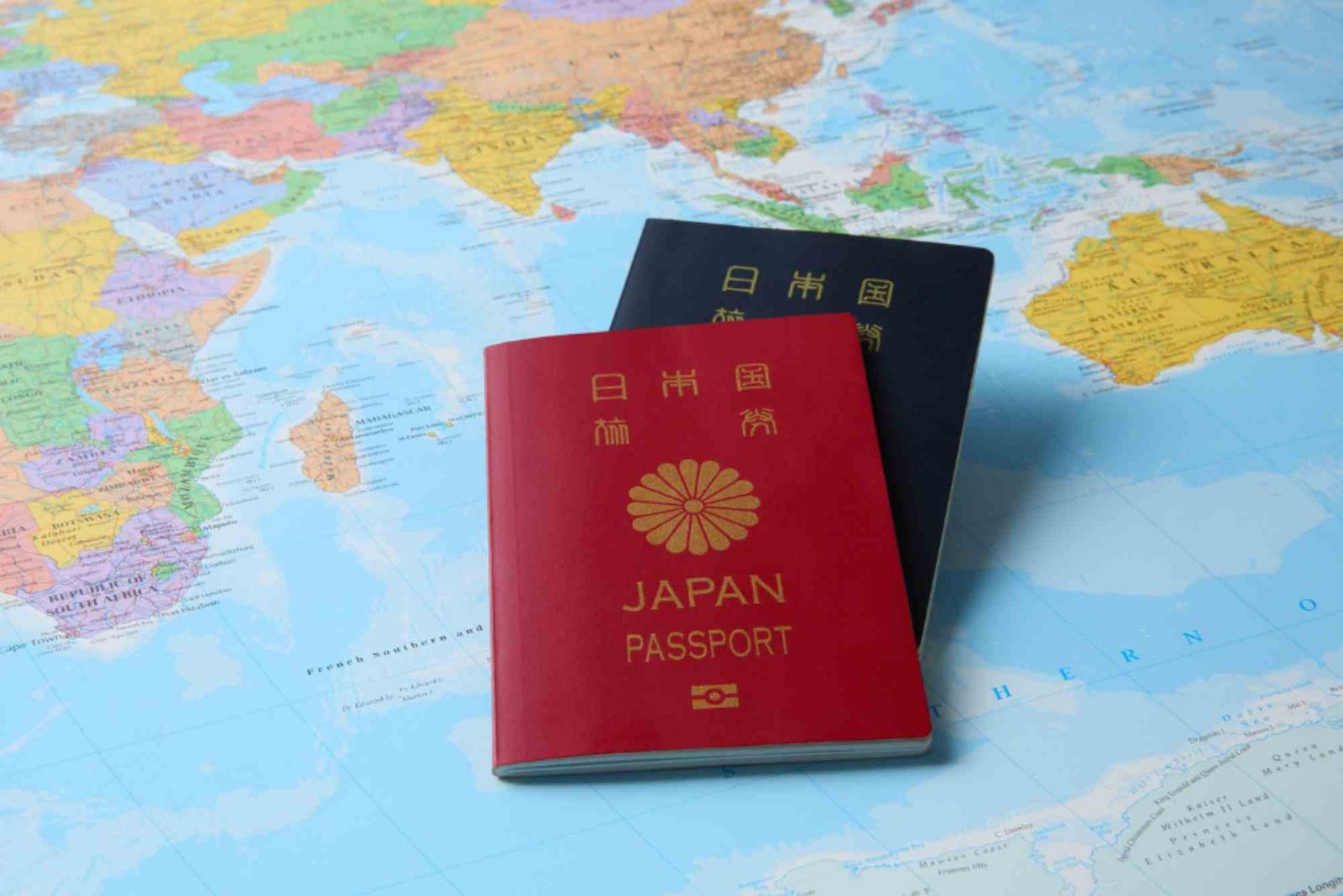
Japan Visa Price from India in 2026: Full Application Cost Guide
Planning a trip to Japan requires more than booking flights and hotels. Understanding the visa cost is equally important. The Japan Visa Price from India in 2026: Full Application Cost Guide explains the latest charges Indian travellers should expect when applying for a Japan visa.
As of July 1, 2026, Indian nationals continue to pay INR 500 for both single-entry and multiple-entry visas. Japan has also abolished the transit visa category. However, applicants must additionally pay the applicable VFS service charge.
The final amount can also change if you choose optional services. Therefore, knowing each potential expense can help you prepare a realistic travel budget.
Japan Visa Price from India in 2026
The basic visa fee for Indian passport holders is currently INR 500. This applies to both single-entry and multiple-entry visas submitted in India.
The important point is that the widely reported 2026 Japanese visa fee increase does not apply to Indian nationals applying in India. The Embassy of Japan in India specifically confirms the INR 500 rate from July 1, 2026.
Applicants should not confuse the visa fee with the complete application cost. The visa fee is only one part of the amount paid during submission.

VFS Global also charges a service fee for handling the application. The Embassy states that this VFS service fee is charged separately from the visa fee.
| Cost component | Approximate amount for Indian applicants |
|---|---|
| Single-entry Japan visa fee | INR 500 |
| Multiple-entry Japan visa fee | INR 500 |
| VFS service charge | Check current VFS centre |
| Optional courier | Additional charge |
| Photograph and printing | Varies |
| Travel to application centre | Depends on location |
The table gives a practical overview of the main expenses. Applicants should confirm the exact VFS charge for their jurisdiction before submission because service charges can change.
What Is the Total Japan Visa Application Cost?
The total cost depends on more than the Japanese government visa fee. Indian applicants generally need to consider the INR 500 visa fee, VFS service charges, document preparation, photographs, printing, and optional courier services.
For example, the Embassy’s visa information confirms that VFS service charges apply in addition to the INR 500 visa fee.
VFS information for New Delhi previously showed an INR 800 service charge. However, VFS announced a revised India service fee of INR 3,100 effective April 27, 2026.
Because fees can vary by centre and may be revised, applicants should check the current VFS page serving their location before paying.
This means a traveller should avoid relying on old blog posts or outdated agency quotations. The safest approach is to verify the fee immediately before submitting the application.
Does the Japan Visa Fee Differ for Single and Multiple Entry?
For Indian nationals applying in India, the current official fee is INR 500 for both single-entry and multiple-entry visas.
This is an important difference from many other nationalities. From July 1, 2026, Japan introduced higher standard fees for several foreign nationals. For example, the Embassy lists INR 8,650 for single-entry visas and INR 17,350 for double or multiple-entry visas for other nationalities. Indian nationals remain at INR 500.
Therefore, Indian travellers should use the India-specific fee rather than applying a general Japan visa fee found on international websites.
VFS Service Charges for Japan Visa Applications
VFS Global is the official application partner of the Embassy of Japan in India. Applications are submitted through the designated Japan Visa Application Centres.
The VFS charge is separate from the Japanese visa fee. It covers application handling and related services.
The exact amount can change, so applicants should check the VFS centre serving their jurisdiction. VFS announced a service-fee revision to INR 3,100 from April 27, 2026.
Applicants should also remember that optional services can increase the total cost. Courier return, for instance, may carry a separate charge.
Other Expenses You Should Budget For
The official visa fee is relatively low for Indian citizens. However, the overall application process can still involve several small expenses.
Photographs are normally required in the specified format. Printing, photocopying, document scanning, and travel to the visa centre can also add to the total.
If you live outside the city where your designated application centre is located, transportation can become a significant expense. Some applicants may also choose courier services for passport return.
Travel agents can charge their own professional fees. These are not part of the official Japan visa price.
Consequently, applicants should separate official charges from third-party service costs. This makes it easier to understand what they are actually paying for.
Documents Needed for a Japan Tourist Visa
A strong application depends on accurate and complete documentation. The required documents can vary according to the purpose of travel and applicant circumstances.
For a tourist application, applicants should generally prepare the completed visa application form, a valid passport, photograph, travel itinerary, proof of financial capacity, and supporting employment or income documents where applicable.
Financial evidence is particularly important because the applicant needs to demonstrate the ability to fund the planned trip.
Bank statements should be genuine and consistent with the applicant’s income and financial profile. Sudden unexplained deposits can create questions during assessment.
Applicants should also make sure their travel plans are realistic. Hotel bookings, proposed activities, and flight information should match the stated itinerary.
How Long Does a Japan Visa Take from India?
The Embassy of Japan in India states that applications can be submitted through VFS. Applications may be accepted up to three months before the intended travel date.
VFS guidance for New Delhi states that processing takes a minimum of five working days from submission at the Embassy. However, this is only an indicative timeframe. Processing may take longer during periods of high application volume.
For that reason, applicants should avoid booking an inflexible trip around the minimum processing period.
It is better to submit the application well before departure. This provides additional time if the Embassy requests further documents or information.
Can Indians Apply for a Japan eVisa?
Japan introduced the eVISA system in India in April 2024. The Embassy of Japan confirms that eVISA applications are available under the applicable conditions.
However, applicants should carefully determine whether their travel circumstances qualify for eVISA. Requirements can differ according to residence status, travel purpose, nationality, and application arrangements.
An eVISA should not automatically be assumed to be cheaper. Applicants should check the current official requirements and applicable service arrangements before starting the process.
Important 2026 Changes for Indian Travellers
Japan’s 2026 visa-fee changes created considerable confusion online. The standard Japanese visa fees increased for many nationalities from July 1, 2026.
Indian passport holders applying in India were treated differently. The official Embassy information confirms that Indian nationals continue to pay INR 500 for single or multiple visas.
Another major change is the abolition of transit visas. The VFS announcement confirms that the transit visa has been abolished for Indian and other passport holders.
Therefore, travellers planning a Japan connection should carefully review the current entry requirements. A previous transit-visa assumption may no longer be correct.
If you are researching other Asian travel costs, you can also read Cambodia E-Visa Price in 2026: Full Application Cost Guide for another useful visa-cost comparison.
Common Mistakes That Can Increase Your Costs
Many applicants spend more than necessary because they use outdated information. One common mistake is trusting an old visa-fee article that does not reflect the 2026 changes.
Another problem is paying an unofficial agent without understanding the government and VFS charges separately.
Applicants should also avoid submitting incomplete documents. Missing paperwork can cause delays and may require additional trips or document preparation.
Finally, do not assume that paying a higher agency fee improves the chance of approval. Visa decisions remain with the Japanese authorities.
Japan Visa Price from India in 2026: Is It Affordable?
Compared with many international visa applications, the official Japan visa fee for Indian nationals remains relatively low at INR 500. The bigger consideration is the VFS service charge and additional preparation expenses.
Therefore, the Japan Visa Price from India in 2026: Full Application Cost Guide should be viewed as a complete application budget rather than a single fee.
A sensible applicant should budget for the visa fee, VFS charge, photographs, documentation, transportation, and optional courier services.
If you are comparing visa expenses for different destinations, you can also explore Kuwait Visa Price in Pakistan in 2026: Full Application Cost Guide to understand how costs differ across destinations.
Frequently Asked Questions About Japan Visa Price from India
How much is a Japan visa for Indian citizens in 2026?
The Japan visa fee for Indian nationals is INR 500 for both single-entry and multiple-entry visas from July 1, 2026. VFS service charges are additional.
Is Japan visa free for Indians?
No. Indian nationals applying for a Japan visa generally pay INR 500 for the visa itself. Additional VFS service charges may apply.
How much bank balance is required for a Japan tourist visa from India?
There is no single officially guaranteed bank-balance figure that guarantees approval. Financial evidence should reasonably support the planned trip and demonstrate sufficient funds.
How many days does a Japan tourist visa take from India?
The Embassy-related processing period is generally at least five working days after submission. Processing can take longer during busy periods.
Can Indians get a multiple-entry Japan visa?
Yes. Multiple-entry visas are available for eligible Indian applicants. The official visa fee for Indian nationals is INR 500 for both single and multiple entry.
Has Japan increased visa fees in 2026?
Japan increased standard visa fees for many nationalities from July 1, 2026. However, Indian nationals applying in India continue to pay INR 500 for single or multiple visas.
Is the Japan transit visa still available in 2026?
No. Japan abolished the transit visa category from July 2026. Travellers should check the current entry rules for their specific itinerary.
Can I apply for a Japan visa through VFS in India?
Yes. The Embassy of Japan in India directs applicants to submit visa applications through VFS, except for specific cases handled directly by the Embassy.
For travellers comparing international visa expenses, Russia E-Visa Price in 2026: Full Application Cost Guide can provide another useful reference.
Conclusion
The Japan Visa Price from India in 2026: Full Application Cost Guide shows that Indian travellers benefit from a special fee structure. The official visa fee remains INR 500 for both single-entry and multiple-entry visas.
However, this is not necessarily the final amount you will spend. VFS service charges, optional courier services, photographs, document preparation, and travel expenses can increase the overall application cost.
Japan has also abolished the transit visa category, making it especially important to check the latest rules before travelling.
Before applying, verify the current fee and requirements through the Embassy of Japan and the VFS centre serving your location. Preparing accurate documents early can reduce delays and unnecessary expenses.
If Japan is your next destination, start preparing your documents now and check the latest official requirements before submitting your application. A well-prepared application can make the process smoother and help you plan your travel budget with greater confidence.
Related Reading: E2 Visa Price in 2026: Full Application Cost Guide
Related Reading: Egypt Visa Price Increase in 2026: Full Application Cost Guide