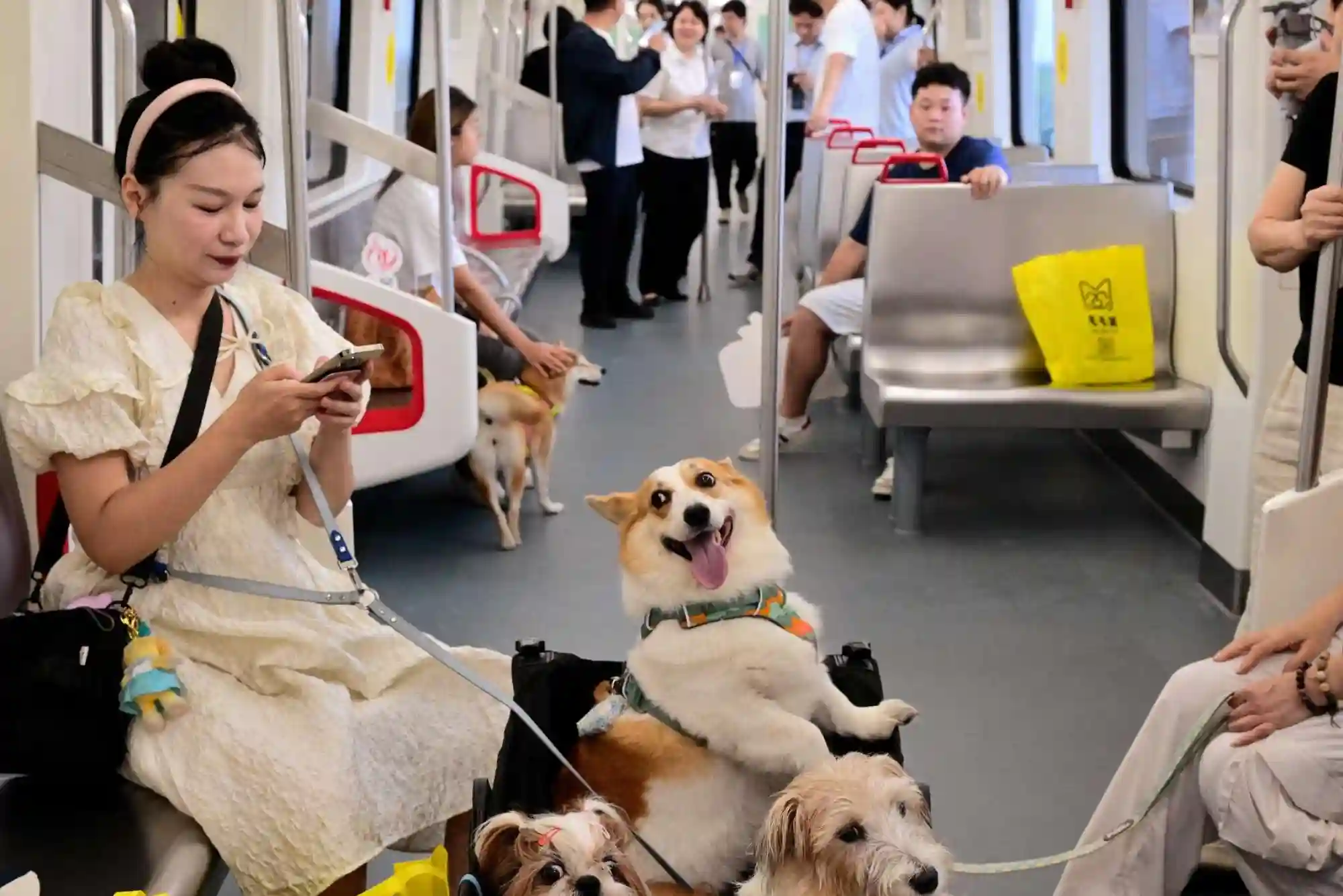
Traveling by train can be a comfortable way to explore new places with your pet. However, pet policies differ significantly between railway networks. Understanding these rules before booking can prevent delays, unexpected fees, and problems at the station. This guide to Pet-Friendly Train Travel: Amtrak, Eurostar, and UK Rail Policies Explained compares the key requirements travelers should know.
Amtrak, Eurostar, and UK rail operators take different approaches to pets. Amtrak generally limits pet travel to small dogs and cats in approved carriers. Eurostar allows pets on several continental routes, but pets are not generally permitted on services to and from London. Meanwhile, UK National Rail rules are relatively flexible for dogs and small domestic animals.
Before buying a ticket, always check the specific train and route. Rules can vary even within the same railway network.
Understanding Pet-Friendly Train Travel
Pet-Friendly Train Travel: Amtrak, Eurostar, and UK Rail Policies Explained begins with one important point: “pet-friendly” does not mean every animal can travel on every train.
Rail companies usually separate ordinary pets from assistance or service animals. They may also impose restrictions based on the animal’s size, carrier, route, or accommodation.
For ordinary pets, travelers should consider four things. These include whether pets are accepted, whether reservations are required, whether a carrier is mandatory, and where the animal can stay during the journey.

It is also important to distinguish a pet from a trained assistance or service animal. Different legal and operational rules can apply.
Amtrak Pet Travel Rules
Amtrak allows small dogs and cats to travel as pets on most eligible services. However, passengers must make a pet reservation and pay the applicable fee. Pet reservations are limited, so booking early is sensible.
The combined weight of the pet and carrier cannot exceed 20 pounds. The carrier must be leak-proof and properly ventilated. Its maximum dimensions are 19 by 14 by 10.5 inches.
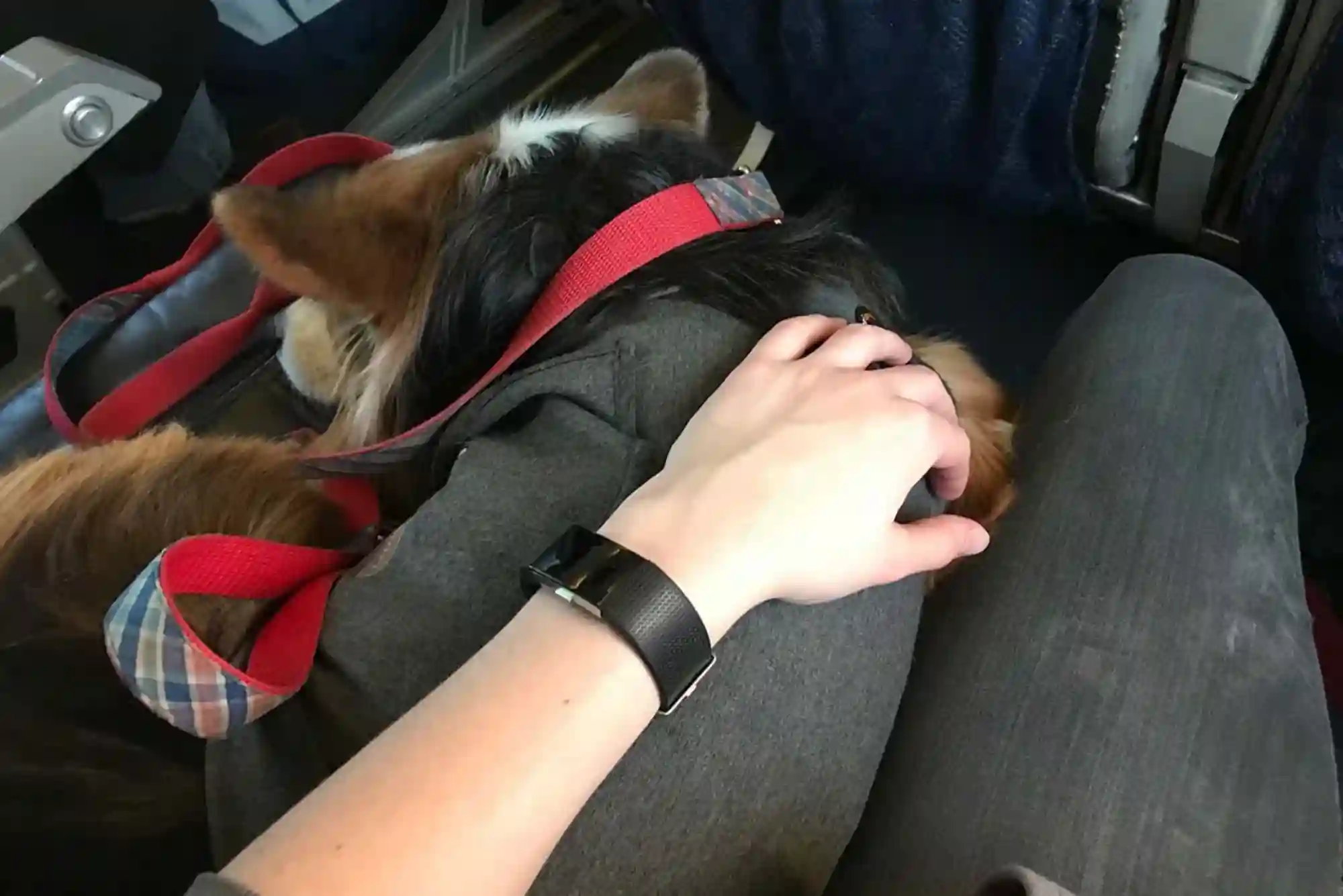
The pet must remain completely inside the closed carrier during the journey. The carrier generally goes under the passenger’s seat. It cannot be placed on another seat.
Amtrak permits only dogs and cats as ordinary pets. The animal must be at least eight weeks old. It should also be harmless, odorless, and non-disruptive.
Amtrak Reservations and Journey Limits
One of the most important Amtrak requirements is the journey-length restriction. Pet reservations are limited to trips of seven hours or less, including transfer time on qualifying multi-segment journeys.
Pets are not accepted on every Amtrak service. Certain routes and connecting services have additional restrictions. Therefore, checking the exact itinerary before purchasing a ticket is essential.
Pets are generally permitted in Coach and, on Acela, Business Class. They are not permitted in Acela First Class, food service cars, or certain other accommodations.
Emotional Support Animals on Amtrak
Travelers should not assume that an emotional support animal automatically receives service-animal privileges.
Amtrak states that emotional support animals are treated as pets rather than trained service animals. They therefore need to follow the applicable pet travel requirements.
A trained service animal has different status. Amtrak permits qualifying service animals in areas where passengers are allowed, subject to its service-animal requirements.
This distinction is especially important for travelers who previously flew with an emotional support animal.
Eurostar Pet Travel Rules
Eurostar has a different approach. The most important consideration is the route.
Ordinary pets are not generally permitted on Eurostar trains traveling to or from London. They are also restricted on certain other services, including some routes involving Lille and Eurostar Sun and Snow services.
However, pets are permitted on many Eurostar routes connecting Belgium, France, Germany, and the Netherlands.
This means travelers must check the exact departure and destination before assuming their pet can travel. A journey involving Eurostar may have different rules depending on the route.
Small Pets on Eurostar
On eligible continental Eurostar routes, small domestic animals weighing less than 6 kilograms can travel free. They must remain inside a carrier.
Eurostar specifies a maximum carrier size of 45 by 30 by 25 centimeters. This makes carrier dimensions particularly important when planning the journey.
Larger dogs that cannot fit inside the carrier require a specific dog ticket. Eurostar currently states a €30 fare for larger dogs on applicable routes.
The dog must remain on a leash and wear a muzzle. It can sit on the owner’s lap or stay on the floor of the coach.
Assistance Animals on Eurostar
Guide and assistance dogs receive different treatment. Eurostar states that guide dogs and assistance dogs and cats travel free.
However, travelers should contact Eurostar in advance when traveling with an assistance animal. Special arrangements may apply, particularly on routes where ordinary pets are restricted.
UK Rail Pet Travel Rules
UK rail travel is generally welcoming toward pets. National Rail allows passengers to bring up to two pets free of charge, although individual train companies can introduce additional conditions.
Dogs should remain on a lead. Cats and other small animals should remain in suitable carriers.
Animals cannot occupy passenger seats. This applies to both Standard and First Class travel.
For most travelers, these rules make UK rail travel relatively straightforward. Nevertheless, individual operators may have additional requirements, particularly for sleeper services.
Dogs and Carriers on UK Trains
Dogs can travel outside carriers when kept under proper control. They should remain on a lead throughout the journey and at stations.
Other animals should remain inside an appropriate carrier. National Rail states that carriers should be rigid, enclosed, and large enough for the animal to stand and lie down comfortably.
If an animal causes a nuisance or inconvenience, railway staff can require the passenger to remove it.
This rule highlights why good preparation matters. A calm and well-trained pet makes the journey easier for everyone.
Sleeper Train Pet Rules
Overnight rail travel requires additional planning. National Rail allows pets on sleeper trains, but special conditions can apply.
Dogs traveling on sleeper services may incur an additional cleaning charge. Pets are also generally excluded from restaurant cars, except for assistance dogs.
Because sleeper arrangements vary, travelers should contact the relevant train company before booking.
Amtrak vs Eurostar vs UK Rail
The main difference between these systems is how they handle ordinary pets.
Amtrak focuses on small dogs and cats traveling inside carriers. The combined pet-and-carrier weight limit is 20 pounds. Reservations are required, and eligible journeys have a seven-hour limit.
Eurostar’s rules depend heavily on the route. Ordinary pets cannot generally travel to or from London. On eligible continental routes, both small pets and larger dogs can be accommodated under specific conditions.
UK National Rail generally allows up to two pets without an additional charge. Dogs need leads, while other animals generally need carriers. Individual operators can impose further conditions.
Therefore, Pet-Friendly Train Travel: Amtrak, Eurostar, and UK Rail Policies Explained cannot be reduced to one universal rule. The railway, route, animal, and accommodation all matter.
Preparing Your Pet for a Train Journey
Good preparation can make a major difference. Start by checking the railway’s current pet policy before purchasing your ticket.
Next, measure your carrier carefully. Do not rely on a carrier being advertised as “airline approved” or “travel size.” Rail companies can have their own dimensions.
Your pet should also become comfortable with the carrier before travel. Introduce it gradually at home and use familiar bedding where appropriate.
For dogs traveling outside carriers, practice calm behavior around crowds. Stations can be noisy, busy, and unfamiliar.
Food should be managed carefully before departure. Avoid giving your pet a large meal immediately before travel if that normally causes discomfort.
Bring water, treats, waste bags, cleaning supplies, and any necessary medication. Keep these items easily accessible rather than buried inside your luggage.
What to Do at the Station
Arrive early enough to handle check-in requirements without rushing. A stressed owner can make an already unfamiliar environment more difficult for a pet.
Keep your animal secure while moving through the station. Dogs should remain leashed, while animals requiring carriers should stay inside them.
Never place your pet on a passenger seat. UK National Rail explicitly prohibits animals from occupying seats, while Amtrak requires pet carriers to remain beneath the appropriate seating area.
Also watch for escalators and crowded platforms. National Rail specifically advises passengers to carry dogs rather than allowing them to stand on escalators.
During the Train Journey
Once onboard, follow the railway’s rules rather than assuming your normal pet routine applies.
On Amtrak, the pet must remain inside its closed carrier. The carrier should remain with the passenger and in the required seating area.
On UK trains, dogs can generally remain on the floor beside their owners when properly controlled. Other animals should remain inside suitable carriers.
On eligible Eurostar continental services, larger dogs can travel outside carriers under specific conditions. They must remain leashed and muzzled.
Keep noise to a minimum and monitor your pet’s behavior. If your animal becomes disruptive, speak with train staff promptly.
Common Mistakes to Avoid
One common mistake is booking first and checking pet rules afterward. Availability for pets may be more limited than ordinary passenger seating.
Another mistake is assuming that every train operated by the same company follows identical rules. Routes, train types, and international services can have separate restrictions.
Travelers should also avoid assuming that emotional support animals automatically qualify as service animals. Amtrak explicitly distinguishes emotional support animals from trained service animals.
Finally, do not underestimate carrier requirements. A carrier that seems comfortable at home may not meet a railway’s specified dimensions.
Frequently Asked Questions
Can I take my dog on Amtrak?
Yes, small dogs can travel on eligible Amtrak services. The dog and carrier must meet Amtrak’s requirements, including the 20-pound combined weight limit. A pet reservation is required.
Can I take a cat on Amtrak?
Yes. Amtrak permits cats as pets on eligible services. The cat must remain inside an approved carrier, and the combined weight of the cat and carrier cannot exceed 20 pounds.
Are pets allowed on Eurostar?
It depends on the route. Ordinary pets are not generally allowed on Eurostar services to or from London. Pets are accepted on several continental routes between Belgium, France, Germany, and the Netherlands.
Can dogs travel on UK trains?
Yes. UK National Rail generally allows dogs on trains. Dogs should remain on a lead, and passengers can bring up to two pets without an additional charge under the general National Rail rules.
Do pets need tickets on UK trains?
Up to two pets can generally travel free under National Rail’s general rules. Individual train companies may have additional conditions, especially for specific services.
Can I take my pet into a train restaurant?
Usually not. National Rail does not generally allow ordinary animals in buffet or restaurant cars. Assistance dogs receive different treatment.
Conclusion
Pet-Friendly Train Travel: Amtrak, Eurostar, and UK Rail Policies Explained shows why checking the exact route is essential before traveling with an animal. Amtrak generally requires small dogs and cats to remain in approved carriers. Eurostar’s rules depend strongly on the route, particularly for London services. UK National Rail generally offers more flexible pet access, with dogs traveling on leads and other animals using carriers.