
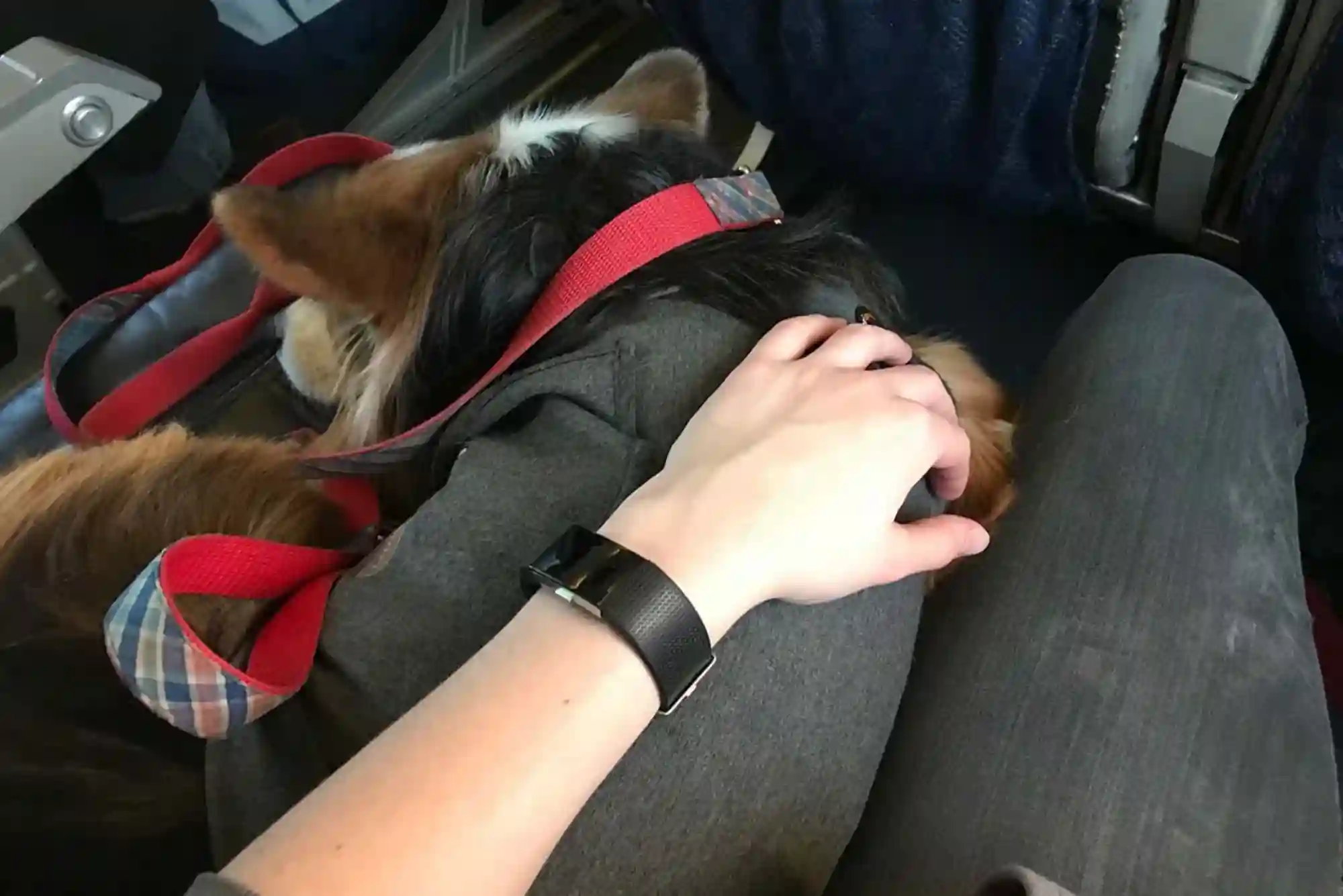
Introduction
Flying with an animal can make air travel feel more manageable, especially when that animal supports your emotional or psychiatric needs. However, How to Fly with an Emotional Support Animal (ESA) vs Psychiatric Service Dog (PSD) depends on how the animal is legally classified. These terms are often confused, but they have different meanings under current U.S. air travel rules.
An emotional support animal may provide comfort through its presence. A psychiatric service dog, however, must be individually trained to perform specific tasks related to a person’s disability. The U.S. Department of Transportation does not classify emotional support animals as service animals under the Air Carrier Access Act.
Therefore, understanding the difference before booking your flight can prevent delays and unexpected airline requirements. This guide explains the practical differences between an ESA and PSD, what documents may be needed, and how to prepare for a smoother journey.
Understanding ESA and PSD Travel Rules
When researching How to Fly with an Emotional Support Animal (ESA) vs Psychiatric Service Dog (PSD), start with the legal distinction.
An ESA can provide emotional comfort or support. Its role does not depend on performing trained disability-related tasks. Under current DOT rules, emotional support animals are not considered service animals for air travel.
A PSD is different. A psychiatric service dog is a service animal when it is individually trained to perform work or tasks for a qualified person with a disability. Examples can include interrupting harmful behaviors, reminding someone to take medication, or performing another trained disability-related intervention.

The key difference is therefore trained task work, rather than simply providing comfort.
How to Fly with an Emotional Support Animal
Flying with an ESA requires careful planning because airlines may treat the animal as a pet rather than a service animal.
Airlines are allowed to establish their own pet transportation policies. These policies can cover cabin eligibility, carrier requirements, fees, animal size, and acceptable species. The DOT explains that its service-animal rule does not prevent airlines from transporting emotional support animals under their pet policies.
Before booking, check the airline’s current rules directly. Do not assume that an ESA letter automatically gives an animal service-animal privileges.
Check the Airline’s Pet Policy
Start by checking whether your airline accepts the animal in the cabin.
Some airlines may restrict cabin pets by species, size, route, or carrier dimensions. International flights can involve additional restrictions because destination countries may have their own animal-entry requirements.
For this reason, confirmation should happen before purchasing a non-refundable ticket.
Prepare the Correct Carrier
If your ESA travels under the airline’s pet policy, the animal will generally need to remain in an airline-approved carrier.
Check the carrier dimensions carefully. The carrier must usually fit within the airline’s approved cabin space.
Your animal should also be comfortable spending several hours inside it. Introduce the carrier gradually before your travel date.
Do Not Rely Only on an ESA Letter
An ESA letter does not automatically convert an emotional support animal into a psychiatric service dog.
The DOT specifically distinguishes emotional support from trained service tasks. A psychiatric service dog must be individually trained to perform disability-related work or tasks.
Therefore, travelers should use the animal’s actual status when completing airline paperwork.
How to Fly with a Psychiatric Service Dog
The rules are different when you are traveling with a legitimate psychiatric service dog.
Under the DOT’s current framework, psychiatric service dogs are treated as service animals when they meet the applicable definition. Airlines must generally allow qualifying service dogs to accompany passengers in the aircraft cabin, subject to specific safety and regulatory requirements.
This distinction is central to How to Fly with an Emotional Support Animal (ESA) vs Psychiatric Service Dog (PSD).
A PSD is not simply a dog that helps someone feel calmer. The dog must be trained to perform specific work or tasks connected to the person’s disability.
Understand Task-Based Training
The dog’s trained task is important.
For example, a dog might be trained to recognize a particular situation and perform a specific intervention. The task must provide assistance related to the person’s disability.
Simply providing companionship, affection, or general emotional comfort does not meet the DOT’s service-animal definition.
Complete Required DOT Forms
Airlines may require DOT service animal forms concerning the dog’s health, behavior, and training. For flights lasting eight hours or longer, an additional relief attestation may apply.
Airlines can generally require these forms before travel when applicable. Some carriers may also request them at the airport.
Always use the current forms and requirements provided by the airline or DOT.
Keep the Dog Under Control
A service dog must remain under the handler’s control.
Airlines can require a service dog to remain harnessed, leashed, or tethered unless those devices interfere with the dog’s work or the passenger’s disability.
The dog should also be reliably house-trained and able to behave appropriately in public environments.
ESA vs PSD: What Is the Main Difference?
The easiest way to understand How to Fly with an Emotional Support Animal (ESA) vs Psychiatric Service Dog (PSD) is to focus on the animal’s function.
An ESA provides emotional support primarily through its presence. A PSD performs trained tasks related to a person’s disability.
This difference affects airline treatment.
An ESA may travel under an airline’s pet policy. A qualifying PSD receives service-animal treatment under applicable DOT rules.
Another important point is that a diagnosis alone does not automatically make a dog a psychiatric service dog. The dog’s individual training and disability-related tasks are central to its classification.
What Documents Should You Carry?
Good preparation can make airport procedures much easier.
For an ESA traveling as a pet, follow the airline’s pet documentation requirements. Depending on the itinerary, you may need vaccination records or destination-specific documents.
For a PSD, check whether the airline requires current DOT service animal forms. The airline may require information about the dog’s health, behavior, and training.
International travel can require additional documents. These may include vaccination records, microchip information, health certificates, import permits, or other government paperwork.
Never assume that U.S. airline rules automatically apply at your destination.
How to Prepare Your Animal Before Flying
Preparation should begin well before your departure date.
For an ESA, practice calm behavior inside its travel carrier. Gradually increase the time spent inside the carrier.
For a PSD, practice airport-style situations. This can include crowds, security areas, elevators, boarding queues, and unfamiliar noises.
The goal is not simply to make the animal tolerate a flight. It should also remain safe, controlled, and comfortable throughout the journey.
You should also consider food, water, bathroom needs, medication schedules, and rest.
Avoid introducing a new food or unfamiliar equipment immediately before traveling.
What Happens at Airport Security?
Airport security procedures can vary depending on the animal and airport.
Travelers should follow instructions from airport security personnel and airline staff. Keep all required documents accessible rather than packed inside checked luggage.
A PSD should remain under control during airport movement. An ESA traveling under pet rules should follow the applicable airline carrier requirements.
Arriving early gives you more time to resolve unexpected questions.
What If the Flight Is Longer Than Eight Hours?
Long flights require additional planning.
For service animals, the DOT permits airlines to require a relief attestation for flights lasting eight hours or more. This addresses whether the animal can avoid relieving itself or can do so in a sanitary way.
Think about bathroom needs before boarding.
A trained service dog should already have a reliable travel routine. Your veterinarian can also provide general guidance about feeding, hydration, and travel preparation.
For an ESA, follow the airline’s pet requirements and plan around its carrier restrictions.
Can an Airline Refuse a Psychiatric Service Dog?
A qualifying service dog is generally protected under applicable DOT rules. However, airlines can refuse transportation in specific circumstances.
For example, an airline may refuse a service dog that presents a direct threat, causes significant disruption, or violates applicable safety requirements. Airlines must use an individualized and objective assessment when making certain decisions.
A service dog also cannot simply be labeled as such to avoid pet restrictions.
Misrepresenting an untrained animal can create problems for the traveler and other passengers.
Common Mistakes When Flying With an ESA or PSD
One common mistake is assuming that an ESA and PSD have identical travel rights.
They do not.
Another mistake is relying on an outdated website or old social media advice. Airline and government requirements can change.
Travelers should also avoid purchasing questionable service-animal certificates online. A certificate alone does not create the training required for a psychiatric service dog.
Finally, never wait until airport arrival to discover that a destination requires additional animal documentation.
Frequently Asked Questions
Is an ESA considered a service dog on a plane?
No. Under current U.S. DOT rules, emotional support animals are not service animals for purposes of the Air Carrier Access Act. Airlines may transport ESAs under their pet policies.
What is the difference between an ESA and a psychiatric service dog?
An ESA provides emotional support through its presence. A psychiatric service dog is individually trained to perform specific tasks related to a person’s disability.
Can a psychiatric service dog fly in the cabin?
Generally, qualifying service dogs are permitted to accompany passengers with disabilities in the aircraft cabin under DOT rules. Specific safety, behavior, documentation, and destination requirements can apply.
Do I need a doctor’s letter for a psychiatric service dog?
The DOT’s final rule does not allow airlines to require a letter from a licensed mental health professional as proof of the passenger’s need for a psychiatric service dog. Airlines may instead require permitted DOT service-animal forms.
Can an emotional support animal fly internationally?
It depends on the airline and destination. International travel may involve airline pet rules and government animal-import requirements. Check both before traveling.
Can I call my ESA a service dog at the airport?
You should not misrepresent an animal’s status. A service dog must meet the applicable legal definition and training requirements.
Final Thoughts
Understanding How to Fly with an Emotional Support Animal (ESA) vs Psychiatric Service Dog (PSD) starts with recognizing the difference between emotional support and trained disability-related tasks.