Introduction
Flying with a dog or cat can be surprisingly complicated. The carrier may look perfect online, yet fail to fit beneath the seat when you actually board. That is why choosing the best airline-approved pet carriers requires more than checking a product title. You need to consider the airline, aircraft, under-seat dimensions, ventilation, construction, and your pet’s comfort.
There is also an important misconception about the phrase “airline approved.” There is no single universal certification that guarantees a carrier will be accepted by every airline. Airlines set their own cabin requirements, and aircraft configurations can change the available under-seat space. The Federal Aviation Administration also leaves individual airlines to decide whether pets can travel in the passenger cabin.
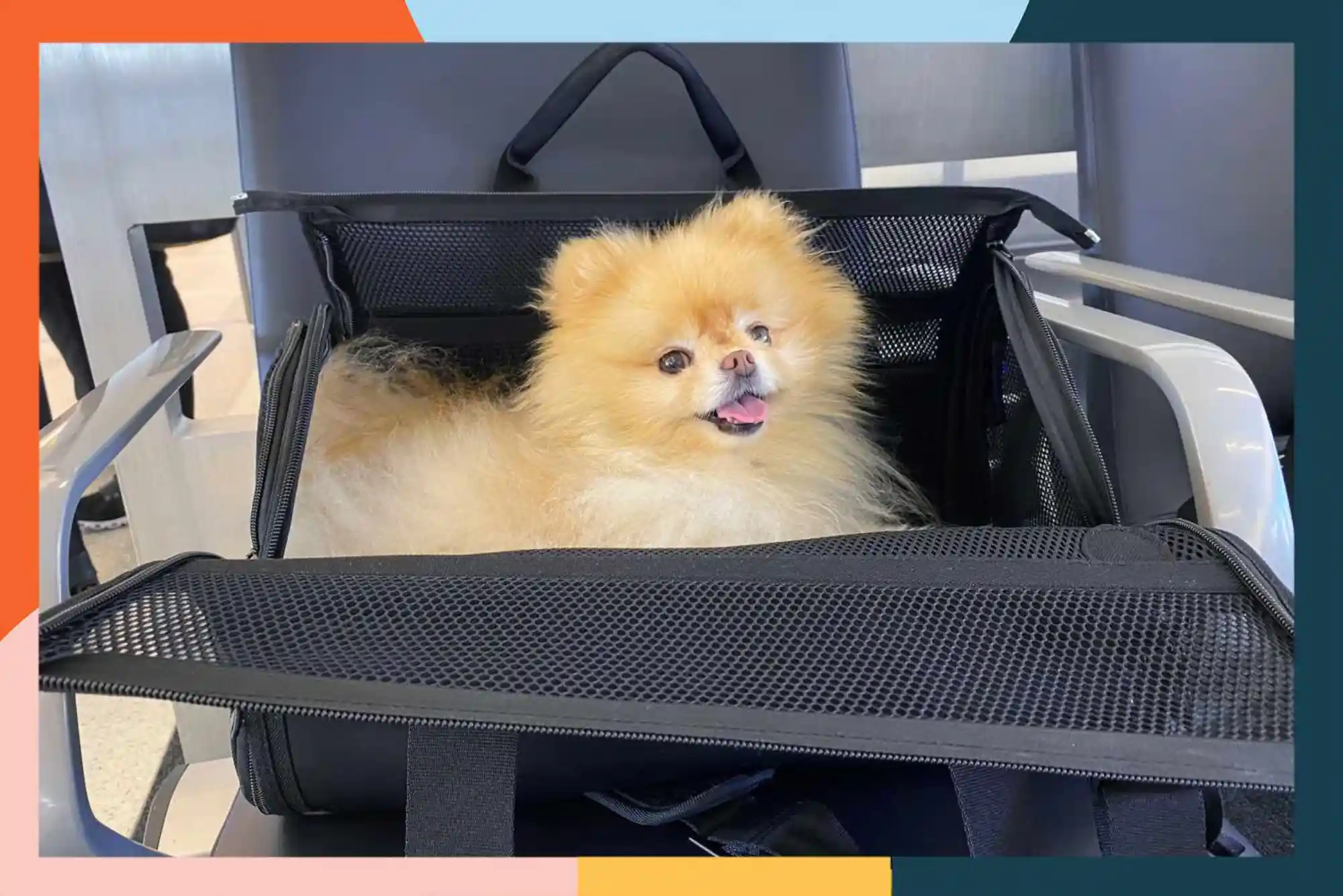
For most travelers, a soft-sided carrier with flexible construction is the practical choice. It can accommodate slightly different under-seat spaces while remaining secure and ventilated. The right carrier should also give your pet enough room to move naturally without becoming so large that it cannot slide underneath the seat.
This guide explains how to choose the best airline-approved pet carriers for in-cabin flights and what to check before purchasing one.
What Makes the Best Airline-Approved Pet Carriers?
The best airline-approved pet carriers are designed around a simple but demanding requirement: they must protect your pet while fitting underneath the aircraft seat.
Most major U.S. airlines use similar dimensions, but there are meaningful differences. American Airlines, for example, recommends soft-sided carriers up to 18 × 11 × 11 inches, while noting that the actual aircraft under-seat dimensions can determine whether a carrier fits.

Delta likewise recommends a soft-sided kennel measuring up to 18 × 11 × 11 inches for most aircraft, while emphasizing that the actual aircraft configuration determines the available space.
That makes flexibility especially valuable.
Soft-sided construction
Soft-sided carriers are usually more practical for cabin travel because the fabric can compress slightly around the seat structure. A rigid carrier has much less ability to adapt if the available space is narrower than expected.
However, flexibility should not mean the carrier collapses onto the animal. A good model needs a stable base and enough structure to maintain usable interior space.
Adequate ventilation
Ventilation is another major consideration. Your pet should receive consistent airflow without being exposed to an open, unsecured carrier.
Airlines can specify ventilation requirements. Delta, for example, requires ventilation openings on three sides for domestic travel and four sides for international travel.
IATA guidance also emphasizes appropriate containers and sufficient space for dogs and cats traveling by air.
Secure closures
A nervous dog or cat can become surprisingly determined when placed in an unfamiliar environment. Zippers should close securely, and the carrier should prevent accidental escapes during airport movement.
Look for reinforced zipper areas, secure clips, and locking features where appropriate.
A waterproof or leak-resistant base
Accidents happen, particularly during long journeys. A leak-resistant bottom makes cleanup easier and prevents liquid from soaking through to the aircraft floor.
A removable, washable liner is another useful feature. It allows you to clean the carrier between trips without replacing the entire interior.
How to Choose the Right Under-Seat Size
Size is probably the most important factor when buying the best airline-approved pet carriers.
A common mistake is choosing a carrier based only on its exterior dimensions. Your pet needs usable interior space too. A thick frame, padding, and structural panels can reduce the actual room available inside.
IATA’s guidance recommends assessing the animal’s measurements rather than relying on a generic carrier size. The animal should have enough room to turn around normally, stand and sit naturally, and lie down comfortably.
Measure your pet first
Measure your pet while standing naturally. Pay attention to body length, shoulder width, and standing height.
Then compare those measurements with the carrier’s internal dimensions.
Do not assume that a carrier advertised for a “small dog” will work for every small dog. A long-bodied Dachshund and a compact Chihuahua can have very different space requirements despite similar weights.
Check your aircraft, not just your airline
This is one of the most overlooked parts of choosing a carrier.
Under-seat space can vary depending on aircraft type and seat configuration. Delta specifically tells passengers to check their aircraft dimensions, while American advises travelers to verify maximum dimensions when necessary.
If your journey includes multiple airlines, check every carrier.
The strictest requirement should determine the carrier you purchase.
Why Flexible Height Matters
Height is often the dimension that causes problems.
A carrier might fit perfectly in length and width but struggle with the seat structure underneath the aircraft. A flexible top allows the carrier to compress where necessary without forcing the entire bag into an awkward position.
This is particularly useful for travelers connecting between different aircraft.
However, there is a balance. A carrier should not be so flexible that your pet cannot maintain a comfortable position. The goal is controlled flexibility rather than a floppy bag.
Ventilation and Comfort During the Flight
A carrier can technically fit under the seat and still be a poor choice.
Your pet may spend several hours inside it, including time at the airport. Good airflow, comfortable bedding, and a familiar environment can make the experience considerably easier.
IATA advises minimizing disturbance to animals during air travel and notes that dim conditions can help calm some domesticated animals.
Mesh panels
Multiple mesh panels provide airflow and allow your pet to see the surrounding environment.
Some animals relax when they can see their owner. Others become more stimulated when they can see everything happening around them. If your pet gets anxious around crowds, a carrier with partially covered sides may be preferable.
Interior padding
The carrier floor should remain stable when placed underneath the seat.
A removable fleece pad can provide comfort without creating excessive bulk. Avoid overstuffing the carrier because thick bedding reduces usable interior space.
Familiar smells
Before the trip, allow your pet to spend time inside the carrier at home. Place a familiar blanket or small comfort item inside if airline rules permit it.
The goal is to make the carrier feel like a normal resting space rather than something that only appears before stressful journeys.
Best Carrier Style for Different Travel Needs
There is no single carrier design that works perfectly for every pet or itinerary.
A compact soft-sided carrier is generally the most practical choice for standard under-seat travel. It combines flexibility with relatively low weight.
A structured soft carrier can be useful for pets that need more stability. Its reinforced sides help prevent the carrier from collapsing while still allowing some flexibility.
Expandable carriers can be convenient at the airport or during waiting periods. However, the expanded section normally cannot remain outside the approved under-seat configuration during the flight. Always follow the airline’s instructions.
Backpack-style carriers can work well for airport movement, especially when walking long distances between terminals. But comfort for the owner should not take priority over ventilation, stability, and airline dimensions.
Airline Rules Matter More Than the Product Label
Searching for the best airline-approved pet carriers can lead you into a marketing trap.
A manufacturer may describe a carrier as “airline approved,” but that does not mean every airline accepts it.
The FAA states that airlines determine whether pets may travel in the passenger cabin. When allowed, the pet container must fit underneath the seat without blocking the aisle and must remain properly stowed during taxi, takeoff, and landing.
IATA similarly advises passengers to consult the airline because individual carriers can impose additional or stricter requirements.
So before buying, check three things: the airline’s current pet policy, the aircraft assigned to your flight, and the carrier’s actual dimensions.
Common Mistakes When Buying an Airline Pet Carrier
One of the biggest mistakes is buying the largest carrier that technically meets a published measurement.
Bigger is not automatically better.
If the carrier cannot fit under the seat, the size becomes a liability. Your pet also needs enough usable space, not simply a large exterior footprint.
Another mistake is ignoring weight. Some airlines have rules concerning the combined weight of the pet and carrier, while others focus more heavily on physical dimensions.
Travelers also sometimes purchase a hard-sided carrier for a cabin journey. Hard carriers can be appropriate for other forms of animal transportation, but many under-seat cabin setups favor soft-sided designs.
Finally, waiting until travel day to introduce your pet to the carrier can make the experience much harder. Your pet should have time to explore and sleep in it before the journey.
How to Prepare Your Pet for an In-Cabin Flight
Choosing one of the best airline-approved pet carriers is only part of the preparation.
Start carrier training several weeks before the trip. Leave the carrier open at home and encourage your pet to investigate it naturally.
Gradually increase the amount of time your pet spends inside. Practice carrying the carrier around the house and, if your pet tolerates it, take short car trips.
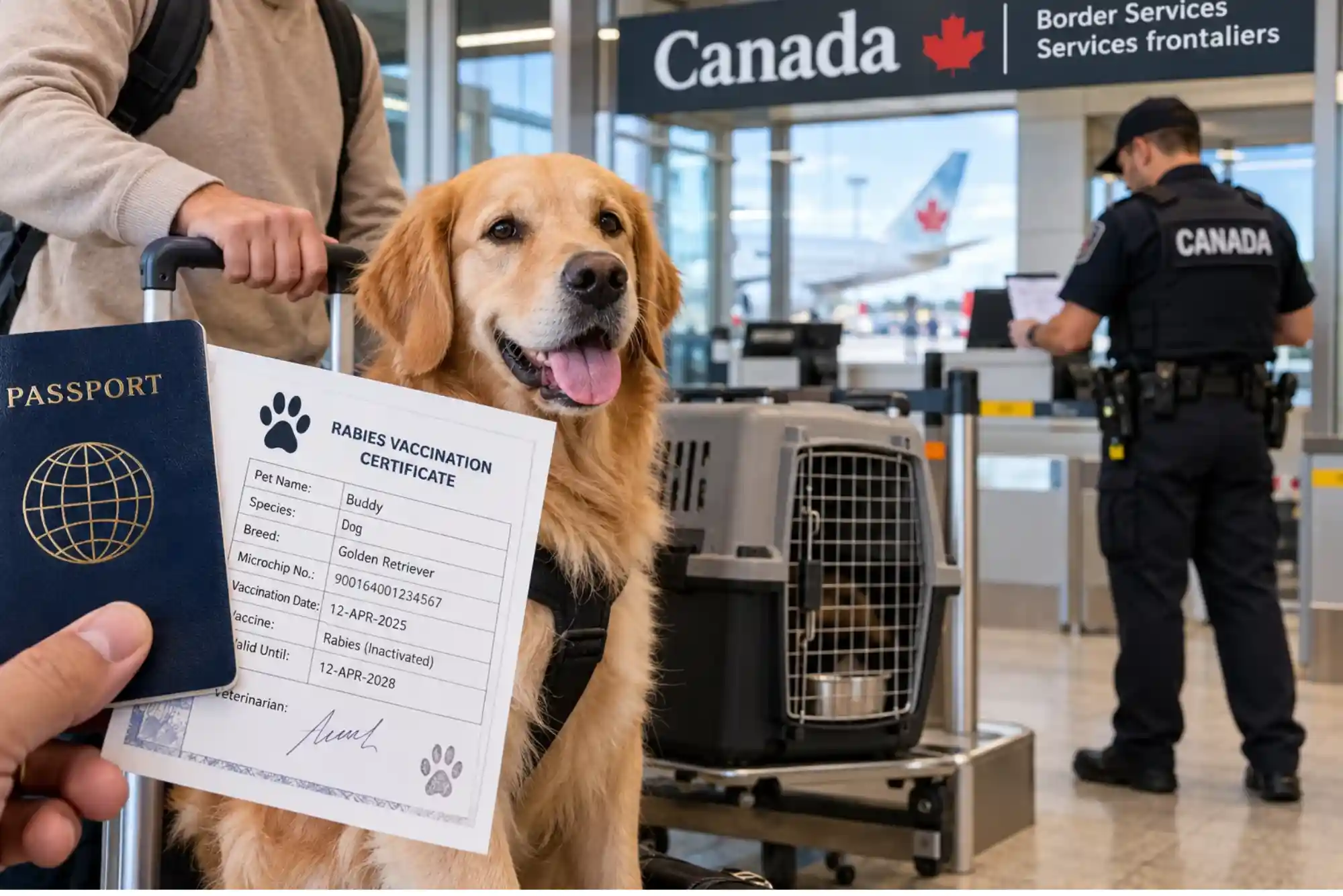
Before international travel, check the destination’s animal-entry requirements as well. IATA notes that countries can impose their own documentation and import requirements, and international travel may require health documentation.
Do not rely on assumptions about vaccinations, certificates, microchips, or breed restrictions. Verify the requirements for your exact route.
What to Look for Before Buying
The ideal carrier should meet your airline’s dimensional requirements while giving your pet sufficient usable space.
Pay particular attention to the carrier’s exterior dimensions, internal dimensions, ventilation, base stability, waterproofing, closure system, and ability to compress beneath the seat.
Also check whether the carrier has practical travel features such as luggage sleeves, shoulder straps, storage pockets, and seat-belt attachments.
These features do not determine whether the carrier is accepted by an airline, but they can make the airport experience considerably easier.
Choosing the Best Airline-Approved Pet Carrier
The best airline-approved pet carriers are not necessarily the biggest, most expensive, or most heavily advertised models. The right choice is the one that fits your specific airline and aircraft while keeping your pet secure, ventilated, and comfortable.
For most in-cabin travelers, a soft-sided carrier with a stable base, secure closures, strong ventilation, and controlled flexibility is a practical starting point. But always verify the airline’s current requirements before purchasing or traveling.
Airline policies can change, and the available space can vary between aircraft. IATA and the FAA both emphasize checking airline-specific requirements rather than relying on a universal standard.
FAQs
What size pet carrier will fit under an airplane seat?
There is no universal size because airlines and aircraft differ. Around 18 × 11 × 11 inches is a common soft-sided reference among major U.S. airlines, but the actual limit depends on your airline and aircraft. American Airlines publishes 18 × 11 × 11 inches for soft-sided carriers, while Delta recommends the same dimensions for most aircraft.
Can I bring my pet carrier on a plane?
Yes, if your airline permits in-cabin pets and your pet and carrier meet its requirements. The carrier generally needs to remain underneath the seat during taxi, takeoff, and landing. The FAA treats an in-cabin pet container as carry-on baggage and requires it to be properly stowed.
Can my dog fly in the cabin with me?
Small dogs can often travel in the cabin when the airline permits pets and the dog fits comfortably inside the required carrier. Airlines can impose restrictions based on size, breed, route, aircraft, and available pet capacity. IATA recommends checking directly with the airline before travel.
Do pets have to stay in the carrier during the flight?
For standard in-cabin pet travel, the pet generally needs to remain secured inside the carrier while onboard. The carrier must also stay properly stowed during aircraft movement, takeoff, and landing. Always follow the instructions of the airline and cabin crew.
Can I use a soft-sided carrier for air travel?
Yes. Soft-sided carriers are commonly used for in-cabin pet travel because they can adapt to under-seat spaces. American Airlines and Delta both specifically recommend or allow soft-sided kennels for cabin travel.
How do I make my dog comfortable in an airline carrier?
Introduce the carrier gradually before the trip. Let your dog rest inside it at home, then practice short periods of confinement and transportation. A familiar washable blanket can also help create a recognizable environment.
What documents do I need to fly with my pet?
Requirements depend on the airline, destination, and whether the trip is domestic or international. International journeys can involve health certificates, vaccination records, import requirements, and other documentation. IATA recommends checking the requirements for every country on the itinerary.