
Streets You Can Cover on Foot
Exploring a city on foot is one of the most immersive ways to experience its culture, architecture, and local life. Walking allows you to notice details often missed by car or public transport. In this guide, we’ll explore the streets you can cover on foot, offering tips, insights, and practical advice for urban explorers. Whether you are a tourist or a local, these streets are ideal for leisurely strolls, shopping, or discovering hidden gems.
Why Walking Streets Is a Great Idea
Walking streets provide a unique way to connect with a city. They often feature pedestrian-friendly layouts, cafes, shops, and cultural landmarks. By walking, you reduce your carbon footprint, stay active, and enjoy the pace of life in a more meaningful way.
Health Benefits
Walking regularly promotes cardiovascular health, reduces stress, and improves mental clarity. Even short walks on well-designed streets contribute to better physical and mental wellbeing.
Cultural Experience
Pedestrian streets often host local events, markets, and performances. Walking allows you to immerse yourself in local traditions and interact with residents in a relaxed setting.
Accessibility
Many walking streets are designed to accommodate all ages and abilities, making them inclusive spaces. Benches, shaded areas, and clear signage ensure a comfortable experience for everyone.
Popular Streets You Can Cover on Foot
Historical Streets
These streets often feature architecture from past centuries, cobblestone paths, and museums. Walking through them offers a sense of connection to the city’s history.
Shopping Streets
From boutique stores to bustling marketplaces, shopping streets are perfect for leisurely strolls. They combine window-shopping with cultural observation, allowing visitors to enjoy both commerce and scenery.
Scenic Streets
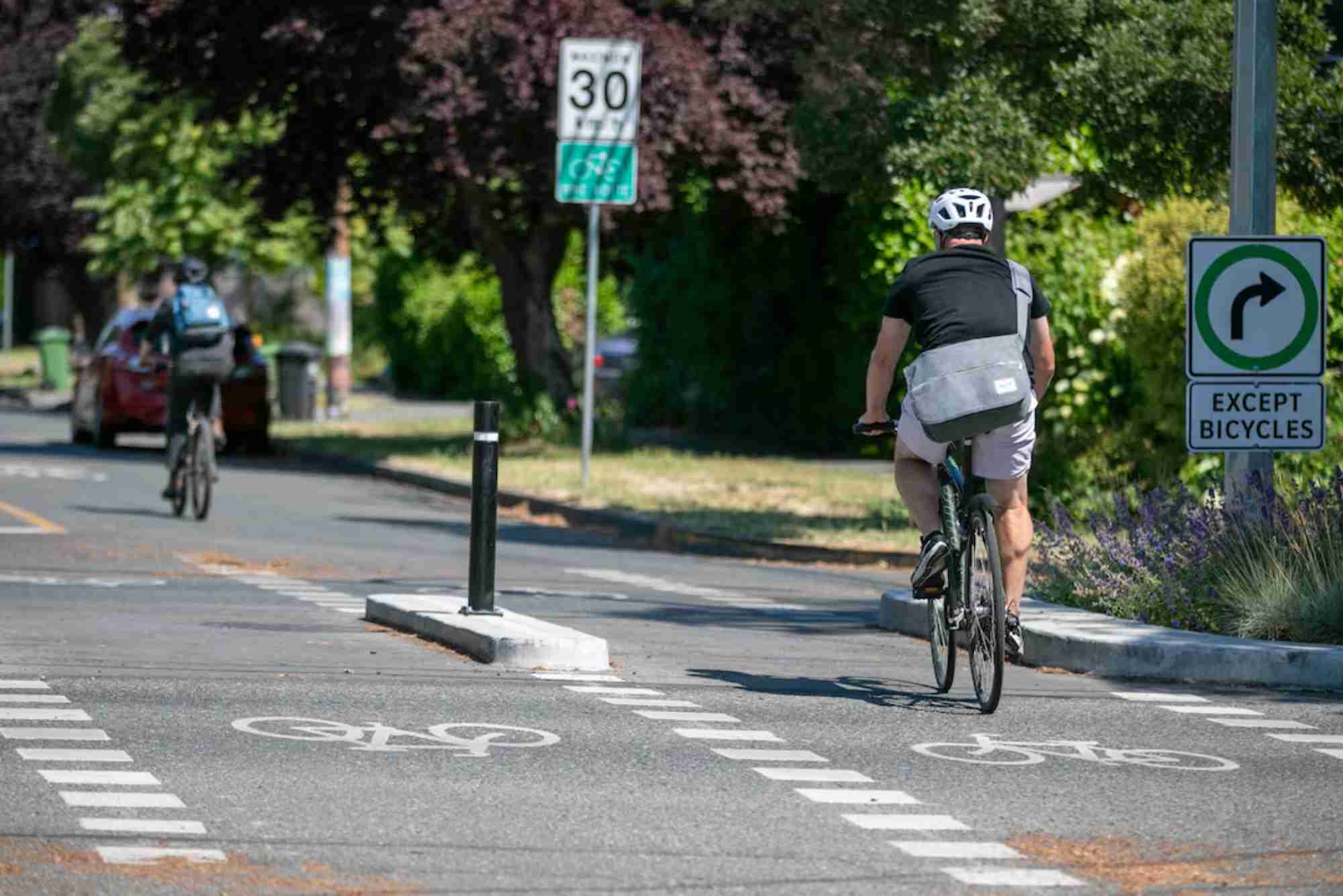
Streets lined with greenery, parks, or waterfronts offer picturesque walking experiences. Scenic streets often include pedestrian paths, bike lanes, and resting spots for a relaxed pace.
Tips for Walking Urban Streets
Plan Your Route
Even on foot, planning is essential. Identify the streets you want to explore and consider nearby landmarks, cafes, and transport links for breaks.
Wear Comfortable Shoes
Urban walking can involve long distances and uneven surfaces. Comfortable, supportive shoes make a huge difference in enjoyment and safety.
Stay Hydrated and Take Breaks
Walking streets can be extensive, especially in warm climates. Bring water and rest at benches or cafes to avoid fatigue.
Observe Local Etiquette
Respect pedestrians, follow crossing rules, and be mindful of local customs. A courteous attitude ensures a positive experience for both locals and visitors.
Exploring Streets You Can Cover on Foot
Walking through a city allows for spontaneous discoveries. You might find street art, local performances, or hidden cafes tucked away from main roads. These small experiences often define the charm of pedestrian streets.
Observing Architecture
Take time to notice building designs, facades, and historical markers. Walking allows close-up views that photos or passing vehicles cannot capture.
Local Dining Options
Pedestrian streets often feature diverse dining spots, from street food to fine dining. Sampling local cuisine adds another layer of cultural immersion to your walk.
Nighttime Walks
Some streets are magical after dark, with illuminated architecture and vibrant nightlife. Night walks offer a different perspective and quieter spaces compared to daytime crowds.
Planning the Perfect Walking Tour
For a fulfilling experience, combine several streets into a walking loop. Include historical sites, shopping areas, and scenic spots for variety. Use maps or navigation apps to estimate distances and avoid getting lost.
Timing Your Walks
Early morning walks help avoid crowds, while late afternoon strolls provide a pleasant ambiance and sunset views. Consider the time of day for lighting, safety, and crowd levels.
Group or Solo Walks
Walking alone allows introspection and personal pace, while group walks offer social interaction and shared experiences. Both approaches have unique benefits.
Safety Considerations
Always stay aware of your surroundings, carry a mobile phone, and avoid poorly lit areas at night. Choose streets with pedestrian-friendly infrastructure for a safer experience.
Streets you can cover on foot offer an enriching way to explore cities. They combine health benefits, cultural experiences, and environmental advantages while giving a personal, up-close view of urban life. Start small with a nearby street and gradually expand your walking adventures. Explore at your own pace, discover hidden gems, and enjoy the rhythm of city life on foot.
Take the first step today—plan a walking route, lace up your shoes, and explore streets you can cover on foot for an unforgettable urban experience.
FAQ
What are the best streets to cover on foot in a city?
The best streets are pedestrian-friendly, safe, and lined with attractions, shops, or historical sites. Explore streets with marked walking paths or vibrant local life.
How far can I walk on urban streets in a day?
It depends on your fitness and pace. Most people comfortably walk 5–10 kilometers, taking breaks at cafes or scenic spots.
Are walking streets safe at night?
Many walking streets are safe after dark, especially those with lighting and active crowds. Stick to well-populated areas and avoid poorly lit streets.
What should I wear when exploring streets on foot?
Comfortable shoes and breathable clothing are essential. Bring a small bag for water, snacks, and personal items.
Can walking streets be good for tourists?
Yes, walking streets are ideal for tourists. They offer cultural experiences, shopping opportunities, local cuisine, and sightseeing all in one accessible route.
How do I find walking-friendly streets in a new city?
Use city guides, tourism websites, and maps highlighting pedestrian zones. Local recommendations and apps also help discover hidden walking streets.