Introduction
Why Commercial Buildings Often Choose Ducted AC Systems is a common question among property owners, facility managers, and developers. Commercial spaces require reliable cooling throughout the working day. They also need consistent temperatures across different rooms and occupied areas.
Ducted air conditioning offers a practical solution for these requirements. It distributes conditioned air through a network of concealed ducts. This approach provides a balanced indoor environment without placing large indoor units throughout the building.
For offices, retail stores, restaurants, schools, clinics, and other commercial properties, cooling performance matters. However, appearance, operating costs, maintenance, and flexibility matter too. Ducted systems can address these needs through one integrated cooling solution.
Why Commercial Buildings Often Choose Ducted AC Systems
Commercial buildings usually have larger floor areas and more complex cooling requirements. Several rooms may need cooling at the same time. Different areas may also have different occupancy levels.
Ducted systems are designed to distribute conditioned air across multiple spaces. A central indoor unit connects with ducts that carry cooled air to individual outlets. Return air is then collected and circulated through the system.
This design creates a more consistent cooling experience. It can also reduce the need for multiple visible indoor air conditioning units.
Another important advantage is flexibility. Ductwork can be planned around the building layout. This makes ducted air conditioning suitable for offices, showrooms, hotels, restaurants, and other commercial environments.
Consistent Cooling Across Large Spaces
Temperature consistency is one of the biggest reasons businesses consider ducted systems. Large commercial areas can develop hot and cold spots when cooling is poorly distributed.
A properly designed ducted system delivers air through strategically positioned supply grilles. This helps distribute conditioned air more evenly.
For example, an office may contain meeting rooms, workstations, corridors, and reception areas. Each space can receive conditioned air through the same central system.
Professional design remains essential. Incorrect duct sizing or poor outlet placement can reduce performance. Therefore, commercial property owners should work with experienced air conditioning professionals.
Better Use of Commercial Floor Space
Floor space has significant value in commercial properties. Businesses often want to maximise usable areas for employees, customers, equipment, or displays.
Traditional wall-mounted units require visible wall space. Multiple units can also create a cluttered appearance. Ducted systems offer a more discreet alternative.
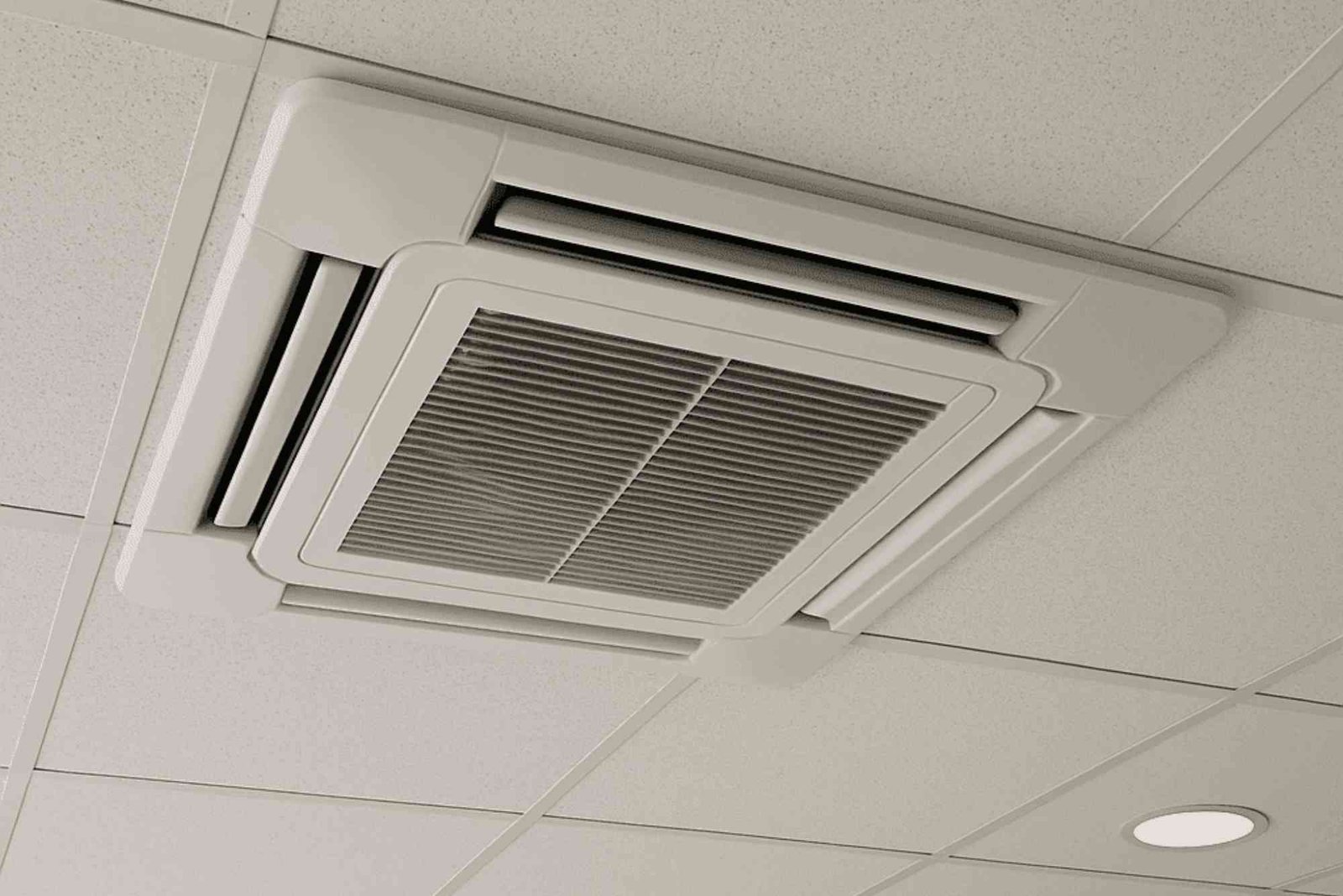
The main indoor equipment can remain concealed above the ceiling. Only the supply grilles and return vents are normally visible inside occupied spaces.
This creates a cleaner interior appearance. It also gives architects and interior designers greater freedom when planning commercial environments.
For premium offices and retail properties, appearance can influence how customers and visitors perceive the business. A discreet cooling system can support a more professional atmosphere.
Improved Zoning and Temperature Control
Commercial buildings rarely have identical cooling requirements in every room. A conference room may become crowded during meetings. A storage area may have completely different requirements.
Ducted systems can be designed with zoning capabilities. Zoning allows different areas to receive controlled airflow according to their requirements.
This can improve comfort and reduce unnecessary cooling. Areas that are not occupied can potentially receive less cooling than busy sections.
Modern controls can further improve temperature management. Depending on the system, businesses may use thermostats, timers, sensors, and smart controls.
Better control is especially useful for buildings with changing occupancy patterns. It can help businesses manage cooling according to actual usage.
Energy Efficiency for Commercial Properties
Energy consumption is an important consideration for commercial buildings. Air conditioning can represent a significant portion of a building’s electricity usage.
Ducted systems can support efficient operation when correctly selected and installed. The system capacity should match the building’s cooling requirements.
Oversized equipment can cycle inefficiently. Undersized equipment may operate continuously while struggling to maintain comfortable temperatures.
Professional load calculations are therefore important before installation. Experts consider factors such as floor area, ceiling height, insulation, windows, occupancy, lighting, equipment, and local climate.
Modern inverter-based ducted systems can provide additional efficiency. These systems can adjust compressor operation according to cooling demand rather than operating at one fixed level.
Efficient operation can reduce energy waste while maintaining comfortable indoor temperatures.
A Cleaner and More Professional Appearance
Commercial interiors often require a polished appearance. Visible air conditioning equipment can affect the overall design of a space.
Ducted systems offer a more discreet installation. Supply grilles can be integrated into ceilings, while major components remain hidden.
This is particularly useful in corporate offices, hotels, restaurants, and luxury retail spaces. The cooling system can operate effectively without becoming a major visual feature.
The result is a more streamlined interior. Businesses can focus attention on furniture, lighting, branding, displays, and architectural details.
Suitable for Different Commercial Applications
One reason Why Commercial Buildings Often Choose Ducted AC Systems is their versatility. The same basic approach can be adapted to different commercial environments.
Office buildings can use ducted systems to cool work areas, meeting rooms, and reception spaces. Retail stores can distribute air across customer areas and product displays.
Restaurants can use carefully designed systems to maintain comfortable dining areas. Hotels can also benefit from discreet cooling that supports guest comfort.
Clinics and professional facilities may require consistent temperatures across multiple rooms. Ducted air conditioning can provide centralised cooling while maintaining a clean interior appearance.
The system must still be designed according to the specific building. Commercial air conditioning should never be treated as a one-size-fits-all installation.
Why Professional Installation Matters
The performance of a ducted AC system depends heavily on its design and installation quality. Even high-quality equipment can perform poorly when installed incorrectly.
Professionals assess the building before selecting equipment. They calculate cooling requirements and determine appropriate duct sizes.
They also consider airflow, return air paths, insulation, ceiling space, access requirements, and control systems.
Proper duct insulation is particularly important. Poor insulation can cause energy losses and reduce cooling performance.
Air leakage can create similar problems. Sealed ductwork helps ensure that conditioned air reaches the intended spaces efficiently.
Businesses looking for reliable equipment can also consult a midea ac supplier for suitable commercial cooling solutions.
Maintenance and Long-Term Performance
Commercial AC systems require regular maintenance to remain efficient. Dust, blocked filters, dirty coils, and restricted airflow can reduce performance.
Routine maintenance can help identify problems before they become expensive repairs. Technicians can inspect filters, coils, fans, drain systems, ductwork, and electrical components.
Regular maintenance can also help preserve indoor air quality. Clean filters and properly maintained components support cleaner airflow throughout the building.
Businesses should establish a maintenance schedule based on system usage and building conditions. High-traffic commercial environments may require more frequent servicing.
Preventive maintenance can also help extend equipment life. It reduces the risk of unexpected breakdowns during busy operating periods.
Choosing the Right Commercial AC Supplier
Selecting suitable equipment is only part of the process. The supplier and installation team can significantly affect long-term results.
Businesses should consider product quality, technical support, installation expertise, warranty coverage, and after-sales service.
A reliable supplier should understand commercial cooling requirements. They should also be able to recommend equipment based on the building rather than simply selling a standard model.
For businesses considering Carrier equipment, carrier ac dubai can be a useful resource when researching commercial air conditioning options.
The right supplier can help property owners make better decisions about capacity, efficiency, controls, and installation requirements.
Cost Considerations for Commercial Ducted AC
Initial installation costs are an important consideration. Ducted systems can require more planning and installation work than individual split units.
However, the purchase price should not be the only factor. Commercial property owners should consider total ownership costs.
These include electricity consumption, maintenance, repairs, equipment lifespan, and potential replacement costs.
An efficient system may provide better long-term value even when its initial investment is higher. Good design can also reduce operational problems over time.
Businesses should therefore compare systems based on performance and lifecycle costs. A professional quotation should explain equipment capacity, installation requirements, controls, and expected maintenance needs.
Planning Ducted AC During Building Design
The best time to plan a ducted AC system is during the early stages of construction or renovation.
Early planning provides space for ductwork, ceiling access, indoor units, outdoor equipment, drainage, and electrical connections.
It also reduces the risk of conflicts with lighting, plumbing, fire systems, and structural elements.
For existing buildings, installation is still possible. However, available ceiling space and access must be carefully assessed.
Early coordination can make installation smoother and reduce unnecessary modifications.
Indoor Comfort and Employee Productivity
Comfortable indoor temperatures can contribute to a better working environment. Excessive heat can make employees uncomfortable and reduce concentration.
Commercial buildings therefore need cooling systems that maintain stable indoor conditions.
Ducted AC can support this goal by distributing conditioned air throughout occupied areas. With appropriate zoning and controls, businesses can adjust cooling according to different requirements.
A comfortable workplace can also create a better experience for visitors and customers. This makes air conditioning an important part of the overall commercial environment.
Common Factors to Consider Before Installation
Property owners should evaluate several factors before installing a ducted AC system. Building size is one of the most important considerations.
The number of rooms, occupancy levels, window exposure, insulation, ceiling height, and equipment loads also affect cooling requirements.
Future changes should be considered as well. Businesses may expand, rearrange workspaces, or change room usage.
The system should provide sufficient flexibility for these potential changes. Controls and zoning can make future adjustments easier.
Professional assessment is therefore essential. A qualified contractor can identify the appropriate system configuration for the property.
Conclusion
Why Commercial Buildings Often Choose Ducted AC Systems comes down to comfort, flexibility, appearance, efficiency, and practical space management. These systems can provide consistent cooling across large commercial environments while keeping major equipment concealed.
Ducted air conditioning can also support zoning, energy management, and professional interior design. However, successful results depend on correct system selection, accurate sizing, quality installation, and regular maintenance.
Planning a memorable trip becomes easier when you have the right travel resources at your fingertips. From finding exciting destinations to exploring useful travel ideas, TripMatchup can help travelers discover options that match their interests. Whether you are planning a weekend getaway or a longer adventure, exploring reliable travel information can make your journey more enjoyable, organized, and stress-free.