Introduction
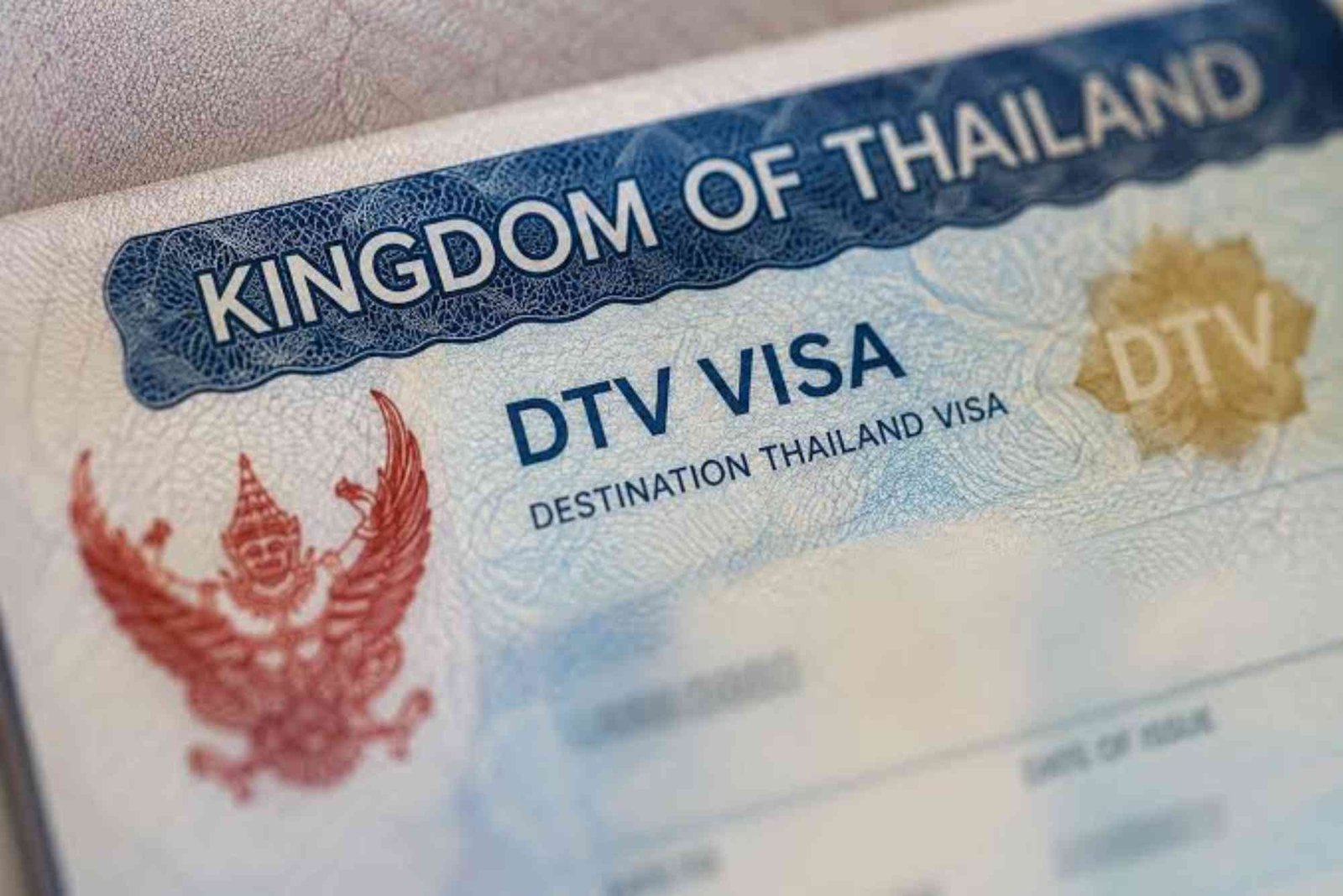
The Dtv Visa Price in 2026: Latest Fees, Cost & Charges remains an important consideration for anyone planning an extended stay in Thailand. The Destination Thailand Visa, commonly called the DTV, was introduced for remote workers, freelancers, digital nomads, and eligible participants in Thai soft-power activities.
The official DTV visa fee is 10,000 Thai baht under Thailand’s published visa measures. The visa provides multiple entries for five years, with up to 180 days permitted per entry. An additional extension of up to 180 days may also be available through Thai Immigration.
However, the total amount you spend can be higher than the basic visa fee. Currency conversion, document preparation, translation, travel, and optional professional services can affect your final budget.
For travelers researching other destinations, the Sri Lanka Visit Visa Price in 2026 can also help when comparing regional travel costs. Sri Lanka Visit Visa Price in 2026
Dtv Visa Price in 2026: Official Fee
The most important figure is the government visa fee. Thailand’s Ministry of Foreign Affairs lists the DTV fee at 10,000 baht. The DTV is a five-year, multiple-entry visa designed for specific categories of foreign visitors.
The fee is paid when submitting the visa application. The payment method can depend on the embassy or consular mission handling the application. Applicants using Thailand’s e-Visa system can complete the application online when eligible.
It is important to understand that 10,000 baht is the base visa fee. It does not necessarily represent every expense connected with the application.
The final cost can differ because Thai diplomatic missions may publish fees in local currencies. For example, the Royal Thai Embassy in Helsinki currently publishes a DTV fee of 350 euros.
Therefore, applicants should check the Thai embassy responsible for their application location before making payment.
How Much Does the DTV Visa Cost in 2026?
The DTV Visa Price in 2026 is best understood as a combination of the government fee and additional application expenses. The official government fee is 10,000 baht, but applicants may need to budget for supporting documents and related services.
| Cost or Requirement | Typical Amount or Requirement |
|---|---|
| DTV government visa fee | 10,000 THB |
| Visa validity | 5 years |
| Entries | Multiple |
| Stay per entry | Up to 180 days |
| Possible extension | Up to another 180 days |
| Financial evidence | At least 500,000 THB |
| Passport | Valid travel document required |
| Document costs | Varies by applicant |
| Translation or certification | Varies by document |
| Professional visa assistance | Optional and varies |
The financial requirement should not be confused with the visa fee. Applicants generally need evidence showing access to at least 500,000 baht for the relevant DTV application. Thai government information lists financial evidence as part of the supporting documentation.
This amount is therefore not money paid to the Thai government. Instead, it demonstrates that the applicant has sufficient financial support.
What Does the DTV Visa Fee Cover?
The DTV fee covers the visa application itself. Its major advantage is the long validity period compared with many traditional tourist visas.
The visa remains valid for five years and permits multiple entries. Each entry can provide a stay of up to 180 days. The Thai government also allows a one-time extension of up to another 180 days through the Immigration Bureau.
This structure makes the DTV attractive to people who regularly spend extended periods in Thailand.
The value becomes particularly clear for remote professionals. Instead of repeatedly applying for short tourist visas, eligible applicants can use one five-year multiple-entry visa.
DTV Visa Extension Cost in 2026
Another important part of the DTV Visa Price in 2026 is the potential extension expense. A DTV holder can request an extension for another period of up to 180 days through the Thai Immigration Bureau.
The extension is separate from the original visa application. Current guidance commonly cites an Immigration Bureau extension fee of 1,900 baht, although applicants should confirm the applicable charge directly with immigration before applying.
The extension does not transform the DTV into a permanent residence status. After using the permitted stay and extension, the holder may need to leave Thailand and re-enter using the still-valid multiple-entry DTV.
The exact immigration procedure can depend on current rules and the local immigration office.
Who Can Apply for a DTV Visa?
The DTV is not simply a general long-stay tourist visa. It was designed for specific groups and activities.
Eligible applicants can include digital nomads, remote workers, foreign professionals, and freelancers. The visa also covers certain Thai soft-power activities, including Muay Thai training, Thai cooking courses, sports training, medical treatment, seminars, and cultural events.
Spouses and dependent children of eligible DTV holders may also qualify under the relevant rules.
For remote workers, supporting evidence may include an employment contract, employment certificate, or professional portfolio. Soft-power applicants may need confirmation from an activity provider or medical institution.
Because documentation differs between categories, applicants should avoid using generic document checklists.
Financial Requirement for the DTV Visa
The financial requirement is one of the most important parts of the application.
Applicants generally need evidence of at least 500,000 baht in available financial support. This requirement is separate from the 10,000-baht visa application fee.
The purpose is to demonstrate that the applicant can financially support the intended stay.
Evidence may include bank statements, payslips, sponsorship documentation, or other accepted financial records. However, the precise documents can vary depending on the applicant’s category and place of application.
Applicants should therefore verify the latest document requirements with the relevant Thai embassy or the official e-Visa platform.
Other Costs You Should Consider
Although the DTV Visa Price in 2026 starts with the official government fee, additional expenses can arise during preparation.
For example, applicants may need certified translations when documents are not accepted in their original language. Some documents may also require certification or other formal processing.
Bank statements and employment documents can require preparation before submission. Freelancers may need to organize portfolios and evidence of professional activity.
Travel costs can also become relevant when an applicant must visit a consular office. However, Thailand’s official e-Visa platform allows eligible applicants to apply online without personally submitting passports and supporting documents at an embassy.
Optional visa-agent services represent another possible expense. These services are not part of the official government DTV fee and should therefore be treated separately.
When comparing costs, applicants should distinguish mandatory government charges from optional service fees.
DTV Visa Compared With Other Thailand Visa Options
The DTV can offer strong value for eligible applicants because it combines long validity with multiple entries.
A standard Thai tourist visa has a much shorter validity period. Thailand’s consular information states that a single-entry tourist visa costs 1,000 baht and generally provides up to 60 days per entry.
The DTV therefore serves a different purpose. It is designed for people who need longer and more flexible stays.
For someone visiting Thailand for a short holiday, paying for a DTV may not make financial sense. However, a remote worker spending several months in Thailand may find the five-year validity more useful.
The right choice depends on the purpose, duration, and frequency of travel.
Travelers from Pakistan may also compare their Thailand plans with the Philippines Visit Visa Price in Pakistan in 2026 before deciding on a destination. Philippines Visit Visa Price in Pakistan in 2026
Is the DTV Visa Worth the Cost in 2026?
For eligible applicants, the DTV can provide considerable flexibility.
A five-year multiple-entry visa means applicants do not need to obtain a new visa for every Thailand visit. Each entry can allow a stay of up to 180 days, subject to the applicable immigration rules.
This can be especially useful for remote workers who divide their time between Thailand and other countries.
The visa may also suit people participating in qualifying cultural, sporting, educational, or medical activities.
However, the DTV should not be viewed as a universal replacement for every Thai visa category. Applicants should ensure their activities genuinely match the requirements.
The financial documentation also needs careful preparation. A low application fee does not guarantee approval if the supporting evidence is incomplete.
How to Apply for the DTV Visa
The official Thailand e-Visa website provides an online application process for eligible applicants. The process includes creating an account, completing the application, uploading supporting documents, paying the visa fee, and waiting for processing.
Applicants should first determine whether they qualify under the workcation, soft-power, or dependent category.
Next, they should prepare their passport, photograph, proof of current location, financial evidence, and category-specific supporting documents.
After submitting the application, applicants should monitor their email for the e-Visa confirmation.
Requirements can change, so relying on old screenshots or unofficial social-media information can create unnecessary problems.
For Indian travelers comparing Thailand with Japan, the Japan Visa Price for Indian in 2026 provides another useful reference for international travel planning. Japan Visa Price for Indian in 2026
Frequently Asked Questions
How much is the DTV visa fee?
The official DTV visa fee is 10,000 Thai baht. However, the amount charged in your local currency can vary by the Thai embassy or consular mission.
How long is the DTV visa valid?
The DTV is valid for five years and allows multiple entries into Thailand. Each entry can permit a stay of up to 180 days.
Can I extend my DTV visa for another 180 days?
Yes. DTV holders can request an extension of up to another 180 days through the Thai Immigration Bureau. The extension is subject to the applicable immigration requirements and fee.
What is the minimum bank balance for a DTV visa?
Applicants generally need to demonstrate financial evidence of at least 500,000 baht. This is proof of financial capacity rather than a visa payment.
Can digital nomads apply for the DTV visa?
Yes. Digital nomads, remote workers, foreign professionals, and freelancers are among the groups targeted by the DTV. Applicants must provide suitable evidence for their category.
Can family members apply for a DTV visa?
Spouses and dependent children can qualify under the DTV family category, subject to the applicable requirements and supporting documentation.
Conclusion
The Dtv Visa Price in 2026: Latest Fees, Cost & Charges starts at 10,000 Thai baht for the official visa fee. The visa provides five-year validity, multiple entries, and stays of up to 180 days per entry.
However, applicants should budget beyond the headline fee. Document preparation, translations, currency conversion, travel, and optional professional services can increase the overall cost.