
Introduction: Navigating Payments in Malaysia
Malaysia’s financial landscape is evolving rapidly, with cashless payments gaining popularity alongside traditional cash methods. Understanding both options is crucial for locals and travelers to enjoy seamless transactions. Whether paying for groceries, public transport, or dining at cafes, knowing the available payment methods ensures convenience and safety. This Malaysia payment guide explores cashless and cash basics, helping you choose the best approach for everyday life.
Cash Basics in Malaysia
Cash remains a trusted and widely used payment method across Malaysia. Ringgit (MYR) notes and coins are accepted in almost all transactions, from small street vendors to larger retail stores. Despite the rise of digital payments, many rural areas and small businesses still prefer cash due to its simplicity and reliability.
Understanding Malaysian Currency
The Malaysian Ringgit comes in notes of RM1, RM5, RM10, RM20, RM50, and RM100, with coins of 5, 10, 20, and 50 sen. Being familiar with denominations helps avoid confusion during purchases. While cash is convenient, carrying large amounts is risky, and change may sometimes be limited in smaller shops.
When to Use Cash
Cash is ideal for places where electronic payments aren’t widely accepted. Markets, hawker stalls, and rural areas often require cash. Additionally, cash transactions help you manage daily expenses without relying on bank accounts or mobile apps. It’s also useful in situations where small fees or tips are customary.
Cashless Payments in Malaysia
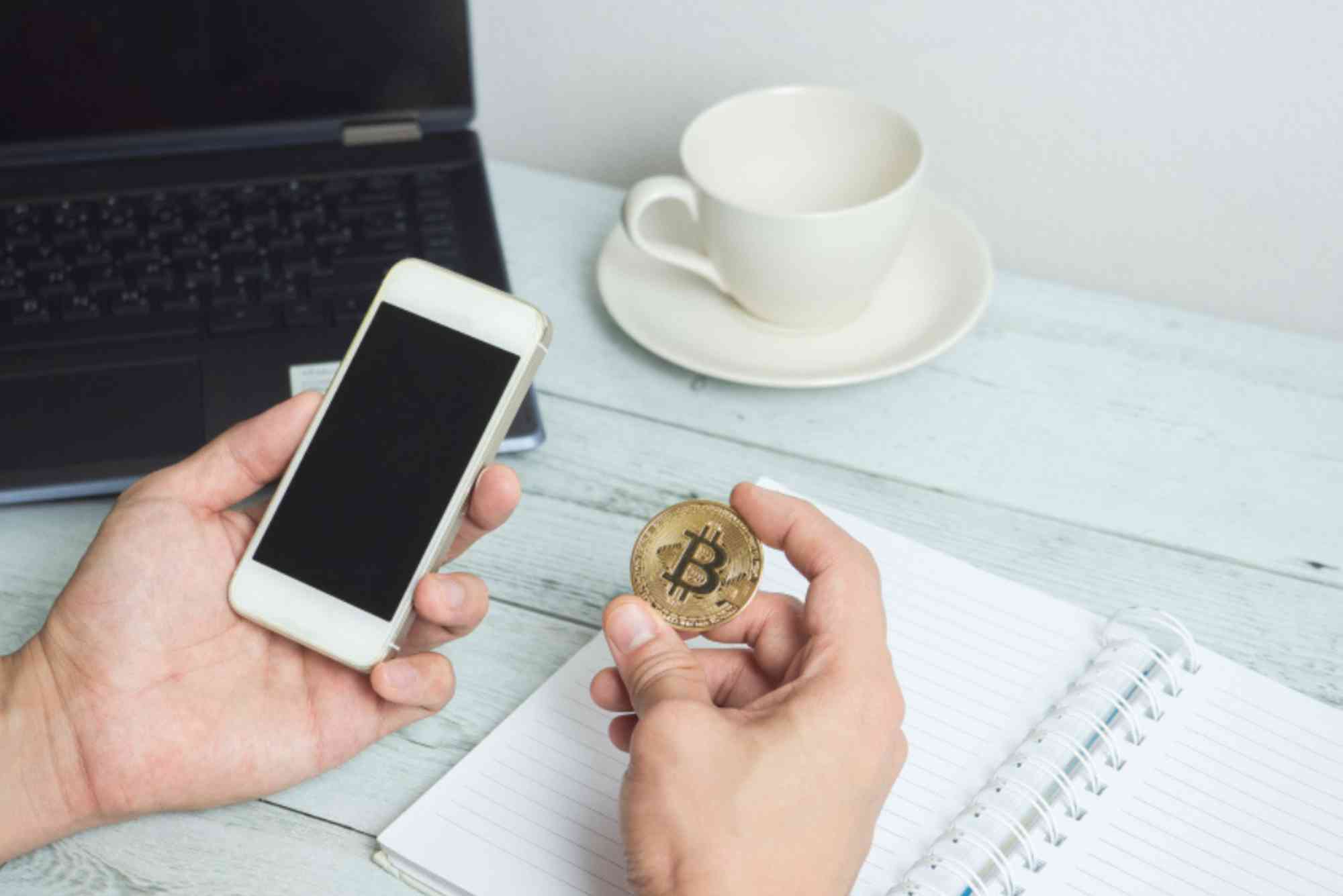
Malaysia has seen a major shift toward cashless transactions, driven by mobile wallets, online banking, and contactless card payments. The convenience and security of digital payments have made them a preferred choice for urban residents.
Mobile Wallets
Mobile wallets like GrabPay, Touch ‘n Go eWallet, and Boost have transformed how Malaysians pay for goods and services. These apps allow users to pay directly from their smartphones, transfer funds instantly, and even enjoy promotional discounts. For tourists, mobile wallets reduce the need to carry cash while offering secure, traceable transactions.

Credit and Debit Cards
Visa, Mastercard, and local debit cards are widely accepted in shopping malls, restaurants, and hotels. Contactless payments via NFC-enabled cards or smartphones allow fast checkouts, making it convenient for busy city life. For visitors, linking international cards to local merchants often comes with small conversion fees, but the convenience outweighs the cost.
Online and QR Payments
The rise of e-commerce and QR code payments has simplified retail and dining experiences. Shops, cafes, and even taxis increasingly support QR-based payments. By scanning a code, customers can complete purchases instantly without handling cash or cards, reducing physical contact and enhancing security.
Comparing Cashless and Cash Payments
Choosing between cash and cashless methods depends on convenience, security, and accessibility. Cash ensures universal acceptance, especially in rural or informal settings. However, cashless payments offer traceability, faster transactions, and rewards or discounts. Urban areas favor digital solutions, while remote regions still rely on cash for daily expenses. Understanding this balance helps both residents and tourists optimize their spending methods.
Security Considerations
Cashless payments reduce the risk of theft or loss, as funds are stored digitally and can be tracked. Banks and payment apps offer fraud protection and instant notifications, increasing peace of mind. Meanwhile, cash transactions provide anonymity but require careful handling to avoid loss.
Accessibility and Convenience
Digital payments offer unmatched convenience for tech-savvy users, while cash is universally accessible and requires no internet connection. Travelers should carry a small amount of cash for emergencies, but relying on cashless methods can streamline urban living significantly.
Preparing for a Cashless Malaysia
To fully enjoy the benefits of cashless payments, it’s important to choose the right apps, cards, and accounts. Ensure your mobile wallet is compatible with local merchants, and activate security features such as two-factor authentication. Frequent users can benefit from loyalty points and promotions, making everyday transactions more rewarding. Staying informed about fees, limits, and accepted platforms prevents inconveniences during travel or daily shopping.
Mastering Payments in Malaysia
Malaysia offers a versatile payment ecosystem that blends traditional cash with modern cashless solutions. Understanding when to use each method ensures smooth transactions, whether navigating city streets or rural markets. Embracing cashless payments enhances convenience and security, Malaysia Payment Guide: Cashless and Cash Basics while cash remains essential in areas where digital methods are less prevalent. With this Malaysia payment guide, you are ready to navigate financial transactions confidently. Start exploring both options today to make your spending experience seamless and efficient.
FAQ
What is the most common payment method in Malaysia?
Cashless payments are growing rapidly, especially in cities, but cash is still common in rural areas and small vendors.
Are mobile wallets safe in Malaysia?
Yes, popular mobile wallets like GrabPay and Boost provide security features such as two-factor authentication and fraud alerts.
Can tourists use cashless payments in Malaysia?
Absolutely. Most urban merchants accept international credit cards, and some mobile wallets can link to foreign bank accounts.
Is cash still widely accepted in Malaysia?
Yes, cash is universally accepted, particularly in markets, small shops, and rural regions where digital infrastructure is limited.
Do Malaysian shops accept QR payments?
Many urban stores, cafes, and taxis now accept QR payments, making it convenient for quick, contactless transactions.