Introduction
Buying products and services today is easier than ever, thanks to online shopping and widespread retail options. However, with convenience comes risk. Scams, counterfeit products, and poor customer service are just a few issues that can ruin your buying experience. Whether you shop online, in physical stores, or a combination of both, knowing where and how to buy safely is essential for protecting your money and personal information. This guide will explore practical tips, strategies, and insights to ensure every purchase is secure and stress-free.
Understanding Safe Buying
What Does Buying Safely Mean?
Buying safely means making informed choices to minimize risks such as fraud, theft, or receiving poor-quality products. It involves checking the credibility of sellers, understanding payment methods, and knowing your rights as a buyer. A safe purchase is not just about avoiding scams but also ensuring satisfaction with your product or service.
Why Safe Buying Matters
Unsafe purchases can lead to financial loss, identity theft, and wasted time. Online shopping, in particular, exposes buyers to phishing scams, fake websites, and fraudulent listings. Even in-store, some sellers may misrepresent products or push unnecessary services. Safe buying protects your finances, preserves your trust in retailers, and improves your overall shopping experience.
Online Shopping Safety
Choosing Reputable Platforms
The first step in buying safely online is selecting trustworthy platforms. Well-known marketplaces and retailers often have buyer protection policies, reviews, and verified sellers. Platforms that offer clear return policies and secure payment options reduce risk significantly. For travelers and frequent online shoppers, resources like Trip Matchup can help compare sellers and find trusted deals safely.
Evaluating Seller Credibility
Always check the seller’s reviews, ratings, and history. Authentic reviews on multiple sites provide insights into product quality and delivery reliability. Watch for red flags such as suspiciously low prices, vague product descriptions, or limited contact information. A credible seller will have a verifiable presence, responsive customer service, and transparent policies.
Using Secure Payment Methods
Payment safety is critical for buying online. Avoid direct bank transfers to unknown sellers. Use secure options like credit cards, PayPal, or digital wallets that offer buyer protection. Enabling two-factor authentication on payment accounts adds an extra layer of security. Never share sensitive information like your full social security number or passwords to make a purchase.
Protecting Personal Information
Be cautious when entering personal data. Check the website’s URL for “https” and a padlock icon to ensure encrypted connections. Avoid public Wi-Fi for purchases, as unsecured networks increase the risk of hacking. Limit stored payment information to trusted devices or platforms, reducing exposure in case of a data breach.
Understanding Return and Refund Policies
Buying safely also involves knowing what happens if a purchase goes wrong. Reputable sellers clearly state their return and refund policies. Confirm the time frame, condition requirements, and any potential fees. For high-value purchases, consider keeping all receipts, emails, and packaging until the return period expires.
In-Store Shopping Safety
Selecting Trusted Retailers
Even in physical stores, buyer safety matters. Shop at recognized retailers with strong reputations and transparent policies. Local reviews and word-of-mouth recommendations can help identify reliable stores. Avoid unfamiliar shops that pressure you into quick purchases or lack proper documentation for products.
Checking Product Authenticity
Inspect products before buying. Verify serial numbers, certifications, and packaging. For electronics, cosmetics, or branded goods, counterfeit items can be nearly identical to genuine products. Look for quality indicators, such as holograms, barcodes, and warranty cards. When in doubt, request proof of authenticity from the seller.
Avoiding Impulse Purchases
Safe buying includes thoughtful decision-making. Impulse purchases often lead to regret, overspending, and vulnerability to scams. Take time to compare prices, read reviews, and evaluate whether the product meets your needs. Deliberation reduces mistakes and ensures you spend wisely.
Payment Safety in Stores
Even in-person purchases carry risk. Use credit or debit cards instead of cash when possible, as cards offer more protection if disputes arise. Shield your PIN when using ATMs or payment terminals, and monitor bank statements regularly for unauthorized transactions. Some retailers now offer mobile payment options with added security features, which can further reduce risk.
International Buying Safety
Understanding Import Regulations
When buying products from abroad, knowing customs rules is essential. Certain items may be restricted, subject to duties, or even illegal in your country. Understanding import regulations avoids unexpected fines or confiscated shipments. Platforms like Trip Matchup often provide tips for travelers on safe international purchases.
Currency and Payment Considerations
Cross-border payments can pose risks such as exchange rate fluctuations and fraudulent transactions. Using secure global payment methods and monitoring fees can protect your investment. Avoid sending money directly to unknown international sellers; choose platforms with built-in protections.
Shipping and Delivery Safety
Track shipments and use reliable courier services. For high-value items, request insurance and signature confirmation. Verify package condition upon delivery, and report damage immediately. For online international purchases, always check the seller’s shipping and return policies before committing.
Common Buying Mistakes to Avoid
Falling for Too-Good-to-Be-True Offers
Extremely low prices often signal scams. If a deal appears unrealistic, research the product and seller thoroughly. Trusted platforms and comparison sites can help determine fair pricing and prevent fraudulent purchases.
Ignoring Reviews and Ratings
Skipping reviews can lead to regret. Real customer experiences provide valuable insight into product quality, shipping reliability, and seller integrity. Look for patterns rather than isolated complaints to get a balanced perspective.
Neglecting Security Measures
Using weak passwords, sharing personal details, or shopping on unsecured websites increases risk. Implement security measures such as strong passwords, two-factor authentication, and antivirus software. Regularly update devices and applications for additional protection.
Overlooking Return Policies
Failing to check return policies can result in wasted money. Always confirm deadlines, fees, and acceptable return conditions. Keeping proof of purchase is essential for resolving disputes quickly.
How Technology Helps Buy Safely
Buyer Protection Programs
Many e-commerce platforms provide buyer protection programs. These programs often include guarantees for refunds, dispute resolution, and verified seller listings. They create a safety net for online purchases and give shoppers peace of mind.
Price Comparison and Review Tools
Technology can prevent overpaying or falling for scams. Tools and websites allow you to compare prices across sellers, track product history, and access authentic reviews. These tools are invaluable for making informed decisions.
Secure Payment Innovations
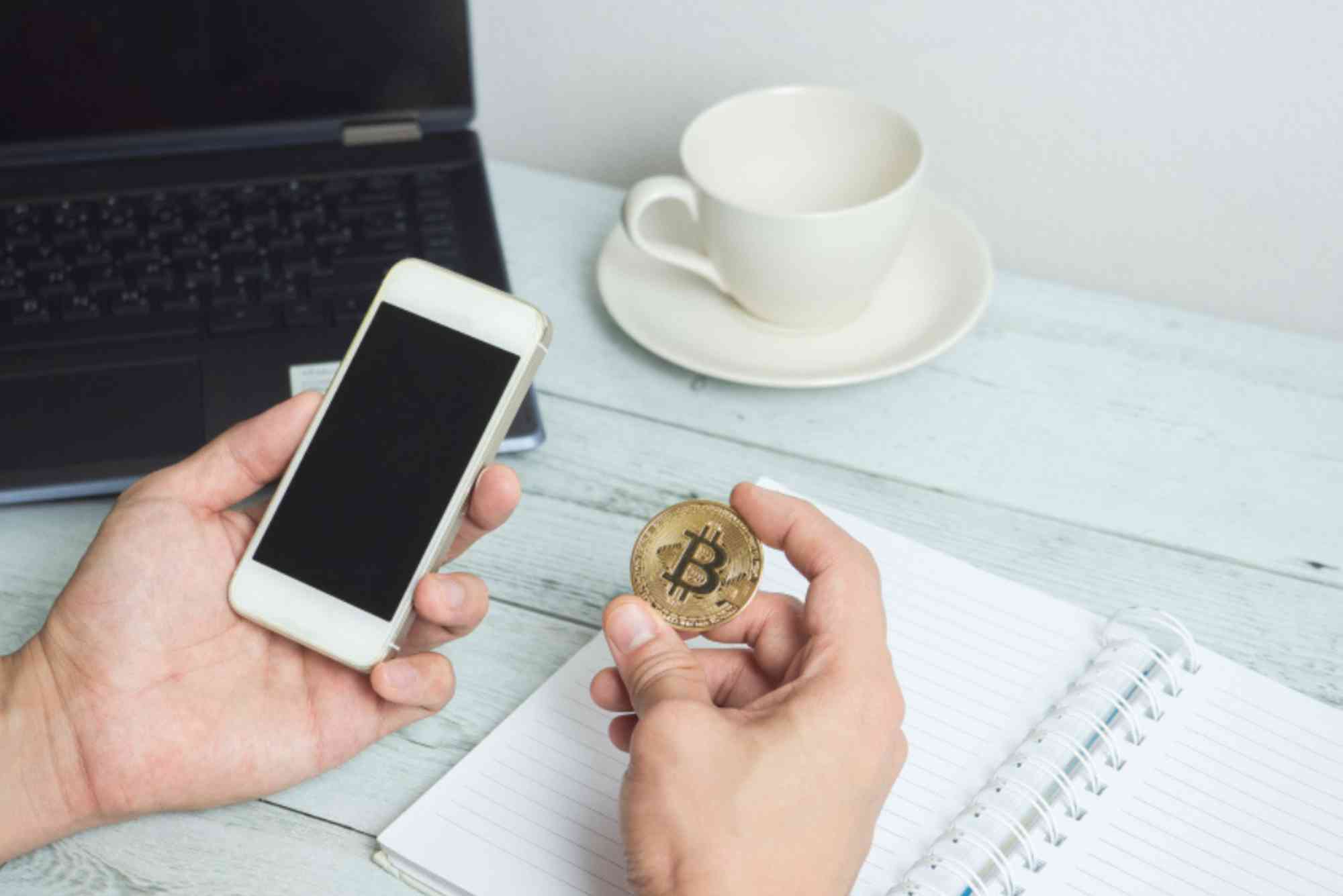
Digital wallets, tokenization, and encrypted payment methods reduce exposure to fraud. Mobile apps often alert users to suspicious transactions immediately. Embracing modern payment technologies enhances buying safety without compromising convenience.
Tips for Confident and Safe Buying
-
Research the seller and product thoroughly.
-
Use secure payment methods with buyer protection.
-
Monitor transactions and report suspicious activity immediately.
-
Keep documentation and receipts for all purchases.
-
Avoid sharing unnecessary personal information online.
-
Stay informed about common scams in your region or industry.
Following these strategies consistently ensures a safer and more satisfying shopping experience, whether you are buying locally, online, or internationally.
Buying safely is about more than avoiding scams; it is about making informed choices, protecting your finances, and enjoying your shopping experience. By understanding the seller’s credibility, using secure payment methods, and staying vigilant online and in-store, you can significantly reduce risks. Embrace technology tools, check reviews, and take your time before making purchases to ensure each transaction is secure and worthwhile. For travelers and online shoppers, leveraging resources like Trip Matchup can help find verified deals and safe buying options. Start applying these tips today to make every purchase a confident and safe one. Take control of your buying journey now, and never compromise on safety or quality. Your money and peace of mind deserve it.
FAQs
How can I tell if an online seller is trustworthy?
Check reviews, ratings, contact information, and platform verification. Authentic sellers usually have a solid history and clear policies.
What payment methods are safest for online shopping?
Credit cards, PayPal, and other digital wallets are safest because they offer buyer protection and fraud monitoring.
Can I trust deals that are significantly cheaper than other sellers?
Not always. Extremely low prices can indicate counterfeit products or scams. Research and compare before purchasing.
What should I do if I receive a damaged product?
Contact the seller immediately, provide evidence like photos, and follow the platform’s return or refund procedures.
Is it safe to buy internationally?
Yes, if you understand import regulations, use secure payment methods, and choose reliable shipping services.