
Introduction
Traveling can be one of the most rewarding experiences, offering adventure, cultural insights, and personal growth. However, a successful trip requires more than just booking flights and packing a suitcase. Understanding the essentials can save travelers time, money, and unnecessary stress. Whether you are a seasoned explorer or planning your first adventure, knowing key travel strategies ensures a smooth journey. This guide highlights everything travelers should know before embarking on their next trip.
Planning Ahead for a Seamless Journey
Researching Destinations
One of the first steps in any trip is understanding your destination. Travelers should research local customs, climate, safety concerns, and popular attractions. Being aware of cultural norms can prevent misunderstandings and enhance your experience. For instance, some countries may have strict dress codes, tipping practices, or behavioral expectations that visitors must follow. Knowing these details beforehand allows travelers to show respect and avoid unintentional offenses.
Budgeting Wisely
Budgeting is essential to prevent financial stress during travel. Travelers should account for accommodation, transportation, meals, activities, and emergency expenses. Planning a realistic budget also allows for better decision-making on accommodations, excursions, and dining. Travelers can save money by booking flights early, choosing budget-friendly hotels, and using travel apps for discounts. A well-managed budget ensures the trip is enjoyable without compromising financial stability.
Travel Documents and Visas
Proper documentation is crucial for smooth travel. Travelers should ensure passports are valid for at least six months from the date of departure. Many countries also require visas, and the application process can take weeks. Researching visa requirements and keeping digital and physical copies of documents is recommended. Additionally, travelers should check for vaccination requirements, travel insurance policies, and entry restrictions, particularly in post-pandemic conditions.
Packing Smart and Efficiently
Essentials vs. Extras
Packing efficiently is a key skill every traveler should master. Prioritize essentials such as clothing suitable for the climate, travel documents, medications, chargers, and personal hygiene items. Avoid overpacking by selecting versatile clothing items that can be mixed and matched. Carrying fewer items reduces stress, saves space, and allows for easier mobility, especially when using public transport or exploring multiple cities.
Technology and Connectivity
In today’s connected world, travelers should plan for staying online. Smartphones, power banks, travel adapters, and portable Wi-Fi devices can be lifesavers. Apps for navigation, language translation, ride-hailing, and local experiences improve convenience. However, travelers should also consider offline options, such as downloaded maps, essential phrases, and emergency contact information, to handle situations where connectivity is limited.
Health and Safety Supplies
Health and safety should never be overlooked. Travelers should pack a basic first-aid kit, any prescription medications, and personal protective equipment. Staying informed about local health advisories, safe drinking water, and food hygiene practices reduces the risk of illness. Vaccinations and travel insurance are additional safeguards, ensuring medical support is available in emergencies.
Navigating Transportation
Choosing the Right Mode
Travelers should evaluate transportation options based on comfort, cost, and convenience. Flights, trains, buses, and rideshares each have advantages depending on the destination. For example, high-speed trains in Europe offer scenic and efficient travel, while budget airlines in Southeast Asia can save money on longer distances. Researching options and comparing prices helps travelers find the best fit for their needs.
Local Transportation Tips
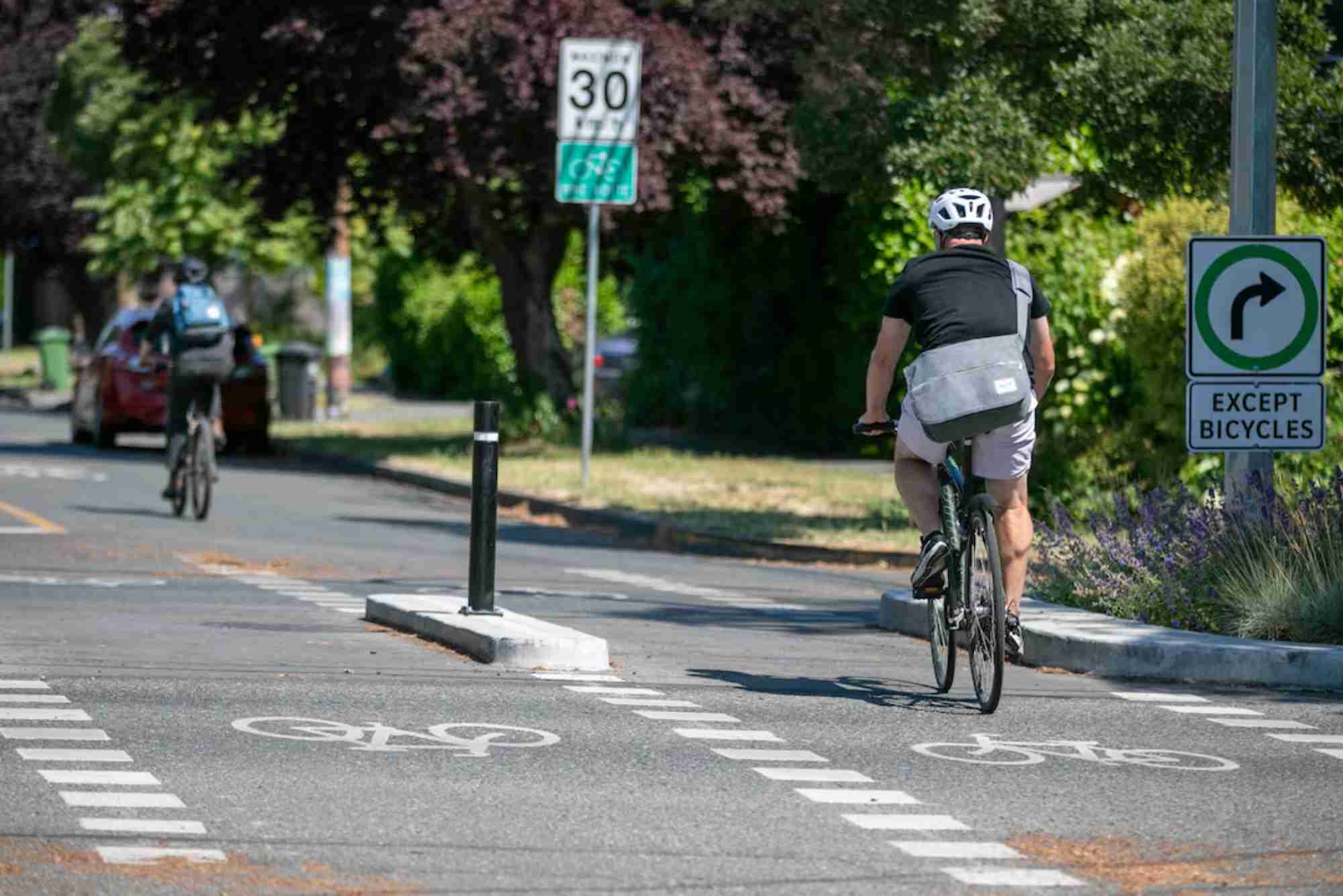
Once at the destination, understanding local transport can save time and frustration. Travelers should familiarize themselves with public transit systems, taxi regulations, and popular rideshare apps. Awareness of peak hours, safety concerns, and fare structures prevents unexpected delays and costs. In some countries, renting a bicycle or scooter may be more efficient for short distances, offering flexibility and a local perspective.
Driving Abroad
For travelers planning to drive in a foreign country, learning local traffic rules is essential. International driving permits may be required, and insurance coverage should be confirmed. Driving abroad can offer independence, but it also carries risks like unfamiliar roads, aggressive driving habits, or language barriers in reading signs. Evaluating these factors helps travelers decide if self-driving is practical or if public transport is safer.
Immersing in Local Culture
Respect and Etiquette
Cultural sensitivity enhances the travel experience. Travelers should research customs, gestures, and social etiquette to avoid offending locals. Simple actions like greeting appropriately, dressing modestly, or removing shoes before entering homes or temples demonstrate respect. Engaging politely with local communities creates positive memories and encourages meaningful connections.
Food and Dining Experiences
Sampling local cuisine is a highlight for many travelers. However, understanding dining customs and food safety is essential. Travelers should approach street food carefully, ensure proper hygiene, and ask locals for recommendations. Experiencing traditional meals, festivals, or cooking classes offers authentic cultural insights and makes travel more memorable.
Language and Communication
While English is widely spoken in many tourist destinations, learning basic local phrases can go a long way. Greetings, thank-you expressions, and polite inquiries help travelers build rapport. Communication apps and translation devices assist when language barriers exist. Showing effort to communicate in the local language is often appreciated and can lead to enhanced experiences and opportunities.
Safety and Security
Personal Safety Measures
Safety is a top priority for travelers. Avoiding risky areas, staying in reputable accommodations, and using secure transportation reduces potential threats. Travelers should keep valuables in safe locations, avoid public displays of wealth, and remain vigilant in crowded areas. Using hotel safes, anti-theft bags, and discreet carrying methods further protect belongings.
Digital Security
Travelers increasingly rely on digital devices, making online security essential. Using VPNs on public Wi-Fi, enabling two-factor authentication, and regularly backing up data prevents hacking and theft. Travelers should also avoid sharing travel plans publicly on social media until after returning home to minimize risks.
Emergency Preparedness
Emergencies can happen at any time, so preparedness is vital. Travelers should know local emergency numbers, hospital locations, and embassy contacts. Having a plan for lost passports, medical emergencies, or natural disasters reduces stress and ensures timely assistance. Keeping digital copies of important documents also simplifies recovery in emergencies.
Financial Tips for Travelers
Currency and Payment Methods
Understanding local currency and payment systems prevents unnecessary fees. Travelers should check exchange rates, carry a small amount of cash, and use cards widely accepted internationally. Informing banks of travel plans avoids blocked transactions, and using secure ATMs ensures safer cash withdrawals. Travelers should also consider apps that offer real-time currency conversion and low transaction fees.
Managing Travel Costs
Travelers should track daily expenses to stay within budget. Prioritizing experiences over material purchases can enhance the trip without overspending. Booking in advance, using discount platforms, and taking advantage of loyalty programs often result in significant savings. A combination of planning and flexibility ensures travelers maximize value without compromising comfort.
Enhancing the Travel Experience
Connecting with Locals
Engaging with locals enriches the travel experience. Travelers should attend cultural events, visit local markets, and participate in community activities. These interactions offer insights beyond tourist attractions, creating authentic experiences and lifelong memories. Respectful curiosity and open-mindedness make cultural exchange rewarding for both travelers and hosts.
Capturing Memories
Documenting a trip through photos, journals, or videos preserves memories for years. Travelers should balance capturing moments with fully experiencing Place them. Planning photo opportunities and exploring hidden spots enhances storytelling. These memories can inspire future trips and serve as valuable references for fellow travelers.
Sustainable Travel Practices
Sustainable travel benefits both the environment and local communities. Travelers should minimize waste, use public transportation, support local businesses, and respect wildlife and natural habitats. Eco-friendly practices ensure destinations remain vibrant for future generations and promote responsible tourism.
Traveling is a journey of discovery, but preparation makes the experience rewarding and stress-free. From planning and budgeting to navigating local customs, safety, and sustainability, these tips cover what every traveler should know. Being informed and prepared allows for smoother experiences and deeper cultural immersion.
Start your next adventure with confidence and curiosity. Explore destinations smarter and safer with trusted resources like Trip Matchup to plan trips, find recommendations, and make every journey unforgettable.
FAQs
What should I pack for international travel?
Pack versatile clothing, essential documents, medications, chargers, and basic health supplies. Avoid overpacking for easier mobility.
How can I stay safe while traveling abroad?
Stay aware of your surroundings, use secure transportation, avoid risky areas, and keep valuables safe.
Do I need travel insurance?
Yes, travel insurance provides coverage for emergencies, medical issues, and trip cancellations.
How can I save money while traveling?
Book flights early, use local transportation, compare accommodations, and plan a realistic budget.
Is it important to learn local language phrases?
Yes, basic phrases like greetings and thank-you expressions help build rapport and enhance cultural experiences.
How do I manage currency and payments in a foreign country?
Use a combination of cash and cards, check exchange rates, notify your bank of travel plans, and use secure ATMs.